How to Properly Dispose of Hazardous Waste for Your Business

Managing hazardous waste today requires more than a decade-old checklist. It demands a system built upon safety, sustainability, and reliable partners to give you confidence you’re prepared for your next audit. 

Industrial waste management has become more complex, not less. Regulations are evolving and expectations are higher from stakeholders to improve corporate sustainability. 

The companies succeeding today treat hazardous waste management as a core part of their operations, and a vital part of what they do to protect their business, their customers, and the environment they live and work in. Companies with proven waste programs don’t scramble when it’s time for the next compliance audit. They rely on trusted systems and proven partners to ensure compliance from cradle-to-grave. 

This guide outlines what proper hazardous waste disposal looks like based on real-world operations. Whether you manage a single location or a nationwide footprint, this approach can help reduce risks, improve safety, and support your environmental objectives.

Understanding Hazardous Waste

Hazardous waste isn’t mysterious. The EPA has clearly defined specific characteristics that determine if a waste is hazardous and how it must be handled. The EPA classifies waste as hazardous if it exhibits ignitability, corrosivity, reactivity, or toxicity. 

In manufacturing facilities, hazardous waste shows up as spent solvents from parts cleaning, used oils from equipment maintenance, and chemical byproducts from production processes. Automotive operations generate used antifreeze, used oil, or spent solvents. Each industry creates distinct waste profiles, but the management principles remain consistent.

The EPA’s listed hazardous wastes catalogs hundreds of listed hazardous wastes. Some are hazardous because of the type of operation that creates them (F-list and K-list wastes), some are pure chemical formulations considered hazardous (P-list and U-list wastes) and others become hazardous when they exhibit certain properties (characteristic wastes). Understanding which category your waste falls into determines your regulatory obligations under RCRA. Most facilities generate multiple waste streams, and each stream requires separate handling protocols, distinct storage requirements, and specific disposal methods.

The complexity multiplies when you operate across state lines. While federal RCRA standards provide the baseline, stricter regulations may have been implemented at the state level, such as in California or Connecticut. A waste stream that’s non-hazardous federally might be regulated as hazardous in your state. Operations with multiple facilities can’t assume one approach works everywhere.

The Risks of Improper Hazardous Waste Disposal

Following proper disposal protocols isn’t just regulatory. It’s how you keep your workforce, your community, and your business safe. Improper handling of waste can lead to long-term environmental damage that may take decades to remediate. 

The risk of pollution and harm to people and the environment is why CERCLA exists. Agencies regularly inspect facilities, review manifests, and assess disposal practices to reduce risk, protect workers, and keep the environment clean from pollution. Regulatory violations often result in formal notices, corrective actions, and potential legal or financial penalties.

The consequences can be significant, not just for a business, but also for workers, community members, and the local environment. Environmental responsibility is more vital than ever, and having a reliable partner on your side to help you navigate hazardous waste disposal with confidence. 

Steps to Properly Dispose of Hazardous Waste

1. IDENTIFY AND CLASSIFY WASTE

Accurate waste characterization starts with understanding how each waste stream is generated. Use your knowledge of equipment, chemicals, and processes to determine if your waste is listed by the EPA or exhibits hazardous characteristics. This forms the basis for the initial classification, matching materials against the EPA’s listed wastes and testing characteristic waste streams regularly or whenever any process changes. 

Documentation is key in this step. Inspectors expect to see what information supports your classifications. They want to see SDSs, references to specific EPA listings, and test results showing specific characterizations.

2. LABEL AND STORE SAFELY

Storage and labeling requirements exist to prevent safety incidents. For example, containers must be appropriate for the waste type. Certain solvents can degrade plastic and some acids may corrode metal. Using the proper container reduces spill risks and keeps the workplace safe.

Labeling is also a vital step to ensure incompatible wastes are not mixed by accident. Acids and bases can’t share space, and oxidizers need separation from organics. At a minimum, containers should clearly be labeled as hazardous waste with the contents in the container and the accumulation start date.

Accumulation time limits are also important to follow. Large quantity generators have a 90-day storage period, and small quantity generators have a 180-day storage period. Secondary containment options, such as spill pallets or berms, also reduce the risk of spills and it is important to plan for leaks before they happen.

3. CHOOSE A TRUSTED SERVICE PROVIDER

When looking for a service provider, it’s important to find a partner that is reliable, has the proper licenses and documentation processes, and is prepared to support you for compliant cradle-to-grave management of hazardous wastes.

Treatment and disposal methods matter, and a knowledgeable partner can help guide you through waste minimization opportunities and identify alternative disposal methods that improve your environmental operations or reduce your generator status. If you’re operating multiple facilities across different regions, having a partner with a nationwide network offers consistent, reliable service from a single source.

4. TRANSPORT AND DISPOSE RESPONSIBLY

Proper transportation and manifest documentation exist to create a reliable paper trail from waste generation to final disposal. Every party signs, every detail is recorded, and you have written proof of compliant disposal.

Manifests aren’t optional paperwork. They’re required documentation that verifies the process was followed compliantly. Whether using paper or electronic manifests, accuracy and retention are key. Auditors will verify waste codes, signatures, and facility permits.

Final disposal methods vary by waste stream. Incineration, landfilling, and other disposal methods all require facilities with appropriate permits and emissions controls. Modern facilities can neutralize acids, recover base oils from spent lubricants, and destroy PFAS compounds that persist through conventional treatment. When you select partners with sophisticated capabilities, you’re contributing to genuine environmental protection rather than simply avoiding violations.
The Role of Sustainable Waste Management

Industrial waste management is transitioning from disposal-focused to resource recovery approaches. This shift is driven by both environmental and economic benefits that support a circular economy, where waste is reduced, reused, or recycled whenever possible.

Resource recovery turns waste into value. Used oil, for example, can be re-refined into high-quality base oils while reducing greenhouse gas emissions by up to 77% compared to virgin production. Solvents can be distilled for reuse. Antifreeze can be reconstituted. Even some hazardous waste streams can be processed into alternative fuels.

Recovery reduces reliance on landfilling and incineration, which can become a concern due to capacity constraints. Stakeholders are taking notes and businesses that report on ESG performance and GHG emissions can see tangible impacts when implementing waste recovery programs.

Common Environmental Compliance Mistakes to Avoid

Even experienced operations may have gaps in environmental compliance, not due to intent, but rather from overlooked systems and assumptions. 

Manifest errors easily top the list as a common violation. Missing signatures or unreturned forms can disrupt your chain of custody and raise flags during inspections. The solution can be simple, using a tracking system and training staff on proper manifest handling to reduce errors. A reliable partner that supports this process can also go a long way in making this process easier.

Mixing waste streams is another mistake that can happen. When non-hazardous waste is mixed with hazardous waste, the entire waste volume must be considered hazardous. Separating waste streams at the point of generation reduces errors and provides more accurate waste classification.

Storage violations are another error that happens when waste accumulation exceeds planned capacity. Storage areas become crowded and containers exceed time limits, especially during high-production periods. If you manage your waste storage process like inventory management, this issue can be easily addressed. Monitor volumes, schedule pickups based on actual generation, and maintain a buffer space for unplanned waste generation.

Unlicensed vendors can be another compliance risk, and a simple practice to have in place is to audit and verify that each vendor you work with has the necessary credentials for managing hazardous waste. Request EPA IDs, DOT licenses, and state permits from any waste service provider before commencing work.

Inadequate employee training may be one more area that leads to issues down the line, such as improper labeling or incorrect waste handling. Having regular training, as required by RCRA, helps employees stay current with all regulations and processes they need to follow. Regular refresher training keeps safety and compliance top of mind for both new and veteran employees.

How Crystal Clean Simplifies Hazardous Waste Removal

Managing hazardous waste comes with a higher expectation of compliance. That’s why having an experienced partner is essential to maintain compliance and minimize risk with a hazardous waste program. At Crystal Clean, we help reduce the burden of proper hazardous waste management by providing comprehensive, compliant, and consolidated service across all your environmental services.

Having a single partner for all waste streams means having a single point of contact, which simplifies scheduling, billing, and service coordination. A nationwide network like Crystal Clean’s means you’ll experience consistent service and compliance across all your facilities. Crystal Clean also monitors regulatory changes at the state and federal levels, keeping your operations ahead of evolving requirements.

Because we operate our own permitted treatment, recovery, and recycling facilities, we provide more options than transportation-only vendors. This means greater flexibility, lower risk, and more sustainable outcomes. Since Crystal Clean has the capabilities to manage waste from pickup to disposal, our team can help centralize waste stream data to make audits and sustainability reporting faster, easier, and more accurate.

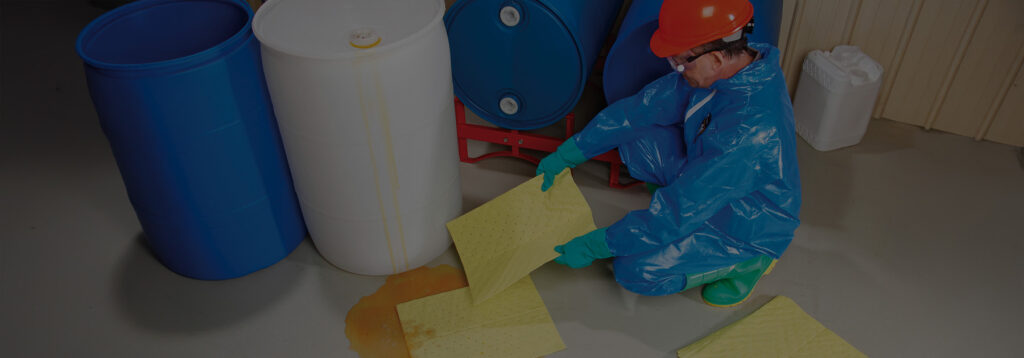
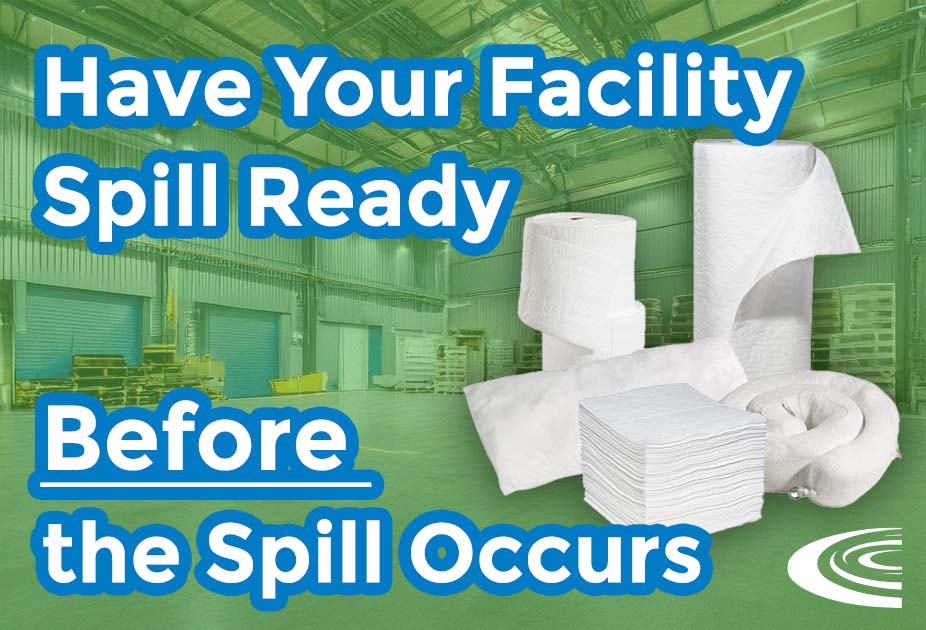
And finally, part of hazardous waste management involves having a plan in place for emergency responses in the event of spills. When the unexpected happens, our 24/7 spill response teams are ready. With trained personnel and the right equipment, we provide peace of mind and fast containment when you need it most.

Protect Your Business and the Environment

Proper hazardous waste disposal isn’t just part of a compliance checklist. It’s part of your core operations and a strategic function that reduces risk and protects both the environment and your business. When you handle waste responsibly, you’re simultaneously reducing environmental impact and eliminating the regulatory and financial risks associated with cutting corners.

Your waste management program deserves the same strategic attention you give to other operational functions. The right approach, implemented consistently across your organization, becomes a strategic asset rather than a compliance obligation.

Partner with Crystal Clean today for safe, compliant, and sustainable waste management solutions tailored to your business needs. Contact our team to discuss how we can support your facility’s environmental management objectives.

Crystal Clean Publishes Company Sustainability Report

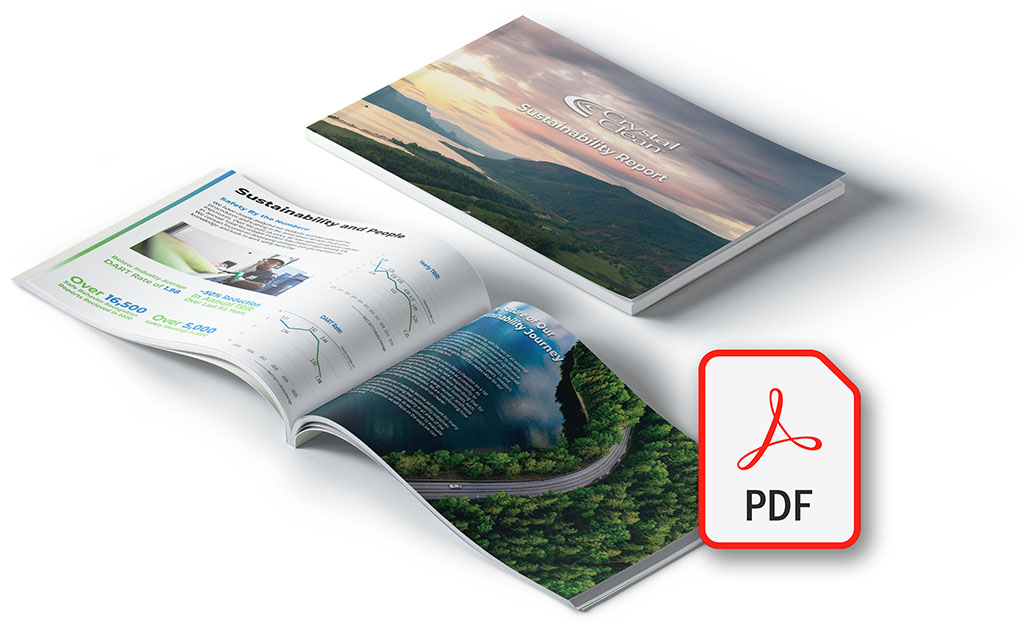
As part of Crystal Clean’s Environmental, Social and Governance (ESG) initiative, we are excited to share the release of our first company Sustainability Report. The report tells the story of how Crystal Clean is committed to sustainable waste recovery operations to recycle, reduce, and reuse.

“To us, sustainability is more than a simple check-the-box initiative,” shared Crystal Clean President & CEO Brian Recatto. “It is a journey and an area that requires constant re-evaluation to identify areas where we succeed and can continue to improve.”

This report focuses Crystal Clean’s ESG initiatives around “5 Ps”, which are Planet, People, Partnerships, Prosperity, and Peace. The 5 Ps were created from the United Nations list of 17 Sustainable Development Goals (SDGs) intended to bring together and grow a safer, stable, healthier, and more prosperous world. Using the 5 Ps will help Crystal Clean measure its progress and work to balance and support our goals.

The sustainability report shares Crystal Clean’s commitment to these practices while helping to create a safe, sustainable environment for customers and the communities we work in. We strive for continuous improvement as we evolve our environmental footprint and help the business world run cleaner.

“Sustainability is part of who we are as a company,” said Anita Decina, Crystal Clean’s Vice President of Operational, Safety, & Environmental Excellence. “Crystal Clean remains committed to sustainability in all areas of the company and helping others do the same.”

Crystal Clean’s sustainability report can be found on the Crystal Clean website at https://www.crystal-clean.com/company-info/sustainability/.

Crystal Clean: A Triple Threat in Environmental Services

What began as a small operation has evolved into a nationwide leader in environmental and industrial services. Crystal Clean’s growth has been driven by innovation, reliability, and a commitment to sustainability. Through continuous expansion and advanced technologies, we have built a strong foundation that supports our three core pillars: Environmental Services, Industrial Services, and Waste Treatment Solutions. Together, these capabilities position Crystal Clean as a trusted partner dedicated to helping businesses operate cleaner, safer, and more responsibly across North America.

Environmental Services

Crystal Clean’s story began with a simple but powerful vision: to protect the earth’s resources by helping the business world run cleaner. Over time, that mission evolved into a wide-reaching network of environmental support designed to keep facilities running safely and efficiently.

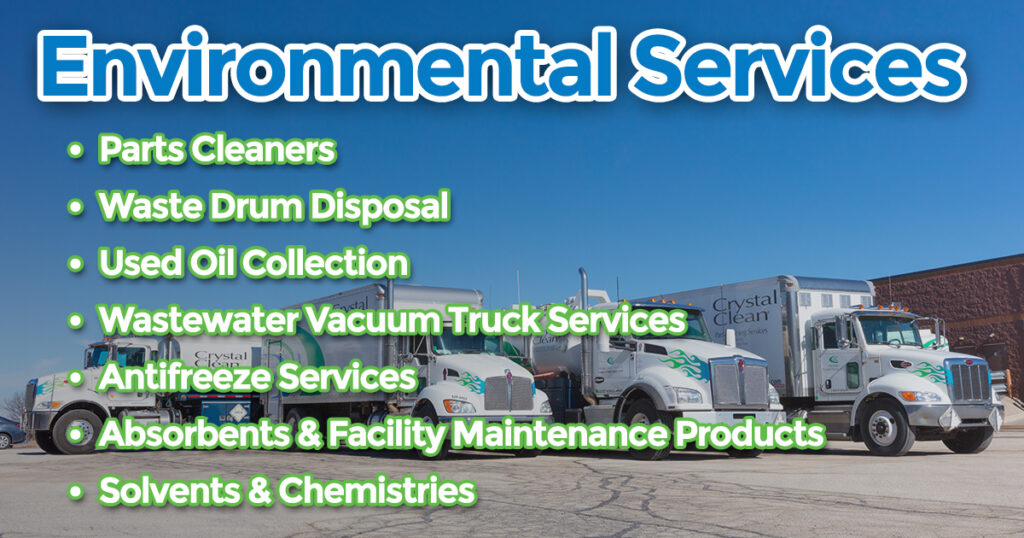
Our Environmental Services division has grown into a cornerstone of nationwide operations serving automotive, manufacturing, and industrial partners with expertise that blends convenience, safety, and sustainability. Crystal Clean supports every aspect of facility maintenance with expert parts cleaning, used oil, wastewater vacuum, and waste disposal services that ensure cleaner, more sustainable operations.

By focusing on service dependability and environmental responsibility, we’ve built long-standing partnerships that reflect our core values: safety, honesty, accountability, respect, relationships, inclusivity, and excellence.

Industrial Services

As customer needs grew more complex, Crystal Clean expanded beyond routine environmental management into large-scale, on-site Industrial Services operations. These services are carried out through our Patriot Environmental Services brand.

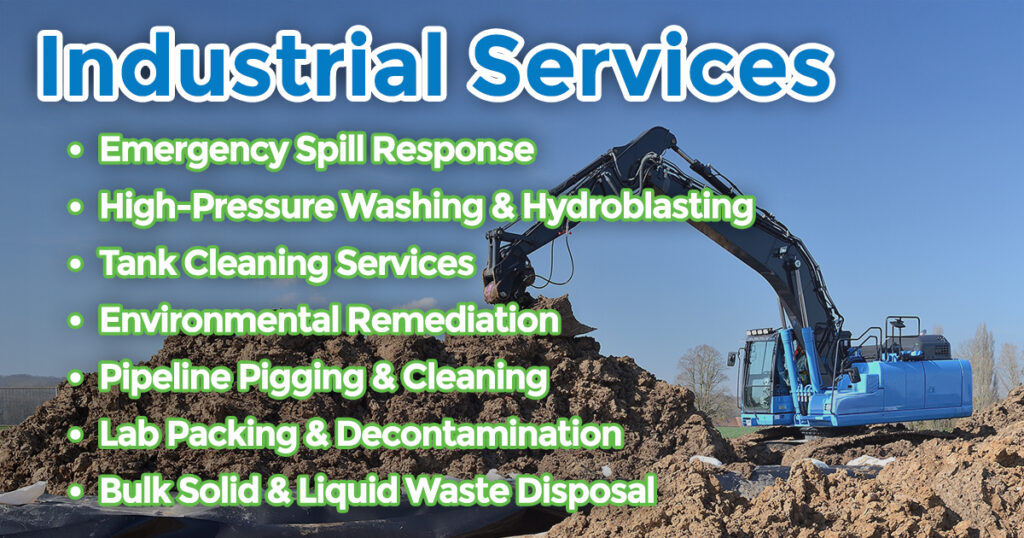
As part of the Crystal Clean family, Patriot delivers the power of experience and rapid response for industrial and field service needs. Our team of knowledgeable and experienced professionals leads the industry in responsiveness, whether providing routine maintenance or mobilizing during a national disaster, and has earned a highly respected reputation for reliability and results. This commitment to excellence ensures that every project is completed safely, efficiently, and with the highest level of professionalism.

Through Patriot, we’ve built lasting partnerships with organizations that depend on reliability and rapid response. Serving a wide range of industries, our continued growth reflects Crystal Clean’s commitment to innovation, adaptability, and the expertise to meet every environmental challenge with confidence.

Waste Treatment Solutions

At the heart of Crystal Clean’s growth is a deep commitment to sustainability and a circular approach to resource management. Our Waste Treatment division provides sustainable methods for managing and disposing of waste, finding opportunities to recover or repurpose materials whenever possible to reduce environmental impact.

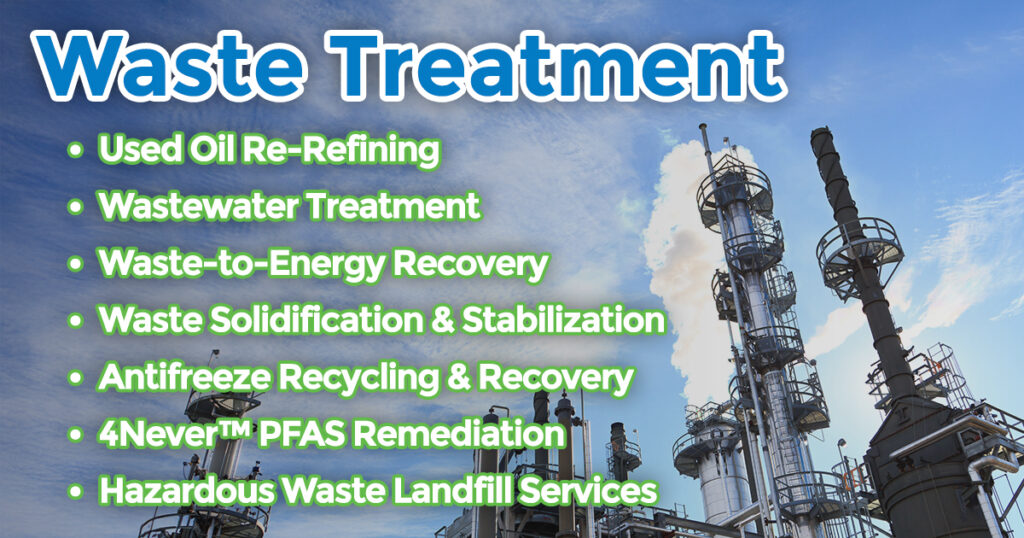
Through advanced technologies and state-of-the-art facilities, Crystal Clean reclaims used oil, treats wastewater, recycles antifreeze, and manages complex waste streams responsibly. Our processes support a circular approach to resource use by recovering usable products, promoting efficiency, and helping customers meet their environmental goals.

Every gallon re-refined, every liter treated, and every waste stream managed is part of our ongoing vision to protect the earth’s resources by helping the business world run cleaner.

Built to Grow. Designed to Last. Committed to Our Customers.

What began as a small operation has grown into a nationwide network built on service excellence, with Crystal Clean constantly evolving to meet the needs of both businesses and the environment.

Crystal Clean’s three pillars of Environmental Services, Industrial Services, and Waste Treatment Solutions function as one unified system. This cohesive approach enables us to deliver comprehensive environmental management, protect valuable resources, and drive sustainable growth for every customer we serve.

As we look ahead, one thing remains unchanged: Crystal Clean’s dedication to providing smarter, safer, and more sustainable solutions that keep North America’s industries moving forward.

Contact Us

The Importance of Oil Spill Absorbents: Safeguarding Your Facility’s Safety, Compliance, and Efficiency

In automotive and industrial environments, oil spills pose significant challenges. From minor leaks in vehicles to substantial spills in factories, having effective oil spill absorbents readily available can substantially mitigate hazards. Oil spill absorbents are critical for prompt spill response, minimizing downtime and promoting a safer, more productive workspace. Efficient spill management is essential for sustaining operational flow.

The Indispensable Nature of Oil Spill Absorbents

Oil spill absorbents effectively manage petroleum-based leaks, preventing potential risks. A timely response reduces slip-and-fall incidents, thereby protecting employee safety and minimizing liability risks. Additionally, prompt spill management is vital for adhering to stringent environmental regulations, helping to avoid costly penalties and legal complications associated with non-compliance.

Utilizing absorbent materials is crucial for maintaining operational effectiveness. Quick cleanup following spills minimizes disruptions, shortens downtime, and supports a faster return to productivity. Ensuring that oil spill absorbents are readily accessible fosters a clean, organized workspace—reflecting professionalism and compliance to all staff members.

Key Applications for Oil Spill Absorbents

In automotive repair facilities, managing vehicle leaks, oil spills, and fluid drips is a routine necessity. Effective absorbent options, such as mats, pillows, booms, and more, empower technicians to rapidly contain and eliminate spills, resulting in a safer and cleaner workplace that prioritizes employee well-being.

In industrial settings, spills occur frequently due to the operation of heavy machinery, hydraulic systems, and lubricants. High-quality oil spill absorbents ensure rapid response and cleanup, safeguarding valuable equipment and preventing contamination that could lead to significant downtime or costly repairs, thereby enhancing productivity.

Maintenance teams in both sectors routinely depend on oil spill absorbents. Providing training on effective spill-response methods and equipping personnel with accessible absorbent materials guarantees a coordinated and efficient strategy, protecting operations against unexpected disruptions and risks.

Promoting Sustainability with Eco-Conscious Absorbents

Modern businesses are increasingly committed to environmental accountability. Eco-friendly oil spill absorbents, such as Crystal Clean’s Spill Tackle, deliver effective cleanup solutions while minimizing ecological footprints. Choosing sustainable absorbent materials reflects your organization’s dedication to environmental stewardship, enhances brand image, supports sustainable practices, and simplifies the disposal process—saving both time and resources.

Why Opt for Crystal Clean’s Absorbent Products?

Crystal Clean’s absorbents are engineered for swift and effective spill management, helping your facility maintain compliance, safety, and operational efficiency. Our products offer rapid absorption, versatility, and easy disposal—key elements for responsible spill management and environmental adherence. By selecting Crystal Clean, you’re making a proactive choice for a workplace that is prepared, compliant, and eco-friendly.

Contact Us

Crystal Clean Expands Network on West Coast with Acquisition of Worldwide Recovery Systems

Hoffman Estates, IL – Crystal Clean, Inc. (“Crystal Clean”), a leading provider of parts cleaning, hazardous and non-hazardous waste services, used oil re-refining, antifreeze recycling, industrial and field services, and emergency and spill response services, has acquired the combined operations of Worldwide Recovery Systems, Inc. (“WRS”), and YES Management, Inc. d/b/a Yuma Environmental Services (“YES”).

WRS, headquartered in Pomona, CA, provides waste collection, transportation and disposal services, primarily in California and Arizona, with additional capabilities including lab packing, oil filter processing, and field services. YES, a division of WRS, operates a non-hazardous waste transfer station in Yuma, AZ.

Brian Recatto, President & CEO of Crystal Clean, commented, “The acquisitions of WRS has tremendous potential to advance our strategic priorities with increased access to the western U.S. market, synergies with our branch network and industrial services footprint, and an enhanced value proposition to large national accounts. Targeted investments in vertical integration are a core component of our strategy and we are thrilled to welcome the WRS team into Crystal Clean.”

With the acquisition, Crystal Clean now operates more than 130 service branches, industrial services facilities, and waste recovery centers serving the continental U.S. It’s waste recovery centers include a state-of-the-art oil re-refinery, multiple wastewater treatment and non-hazardous waste processing facilities, several antifreeze recovery centers, and the newest addition of a hazardous waste treatment, storage, and disposal facility.

About Crystal Clean, Inc.

Crystal Clean, Inc., provides environmental and industrial services to vehicle maintenance businesses, manufacturers and other industrial businesses, as well as utilities and governmental entities. Their service programs include parts cleaning, regulated containerized and bulk waste management, used oil collection and re-refining, wastewater vacuum, emergency and spill response, industrial and field services, and waste antifreeze collection, recycling and product sales. These services help customers manage their used chemicals and liquid and solid wastes, while also helping to minimize their regulatory burdens. For more information about Crystal Clean, visit www.crystal-clean.com.  

Crystal Clean Re-Refined Base Oil Produces 77% Less Greenhouse Gas Emissions Than Traditional Base Oil Products

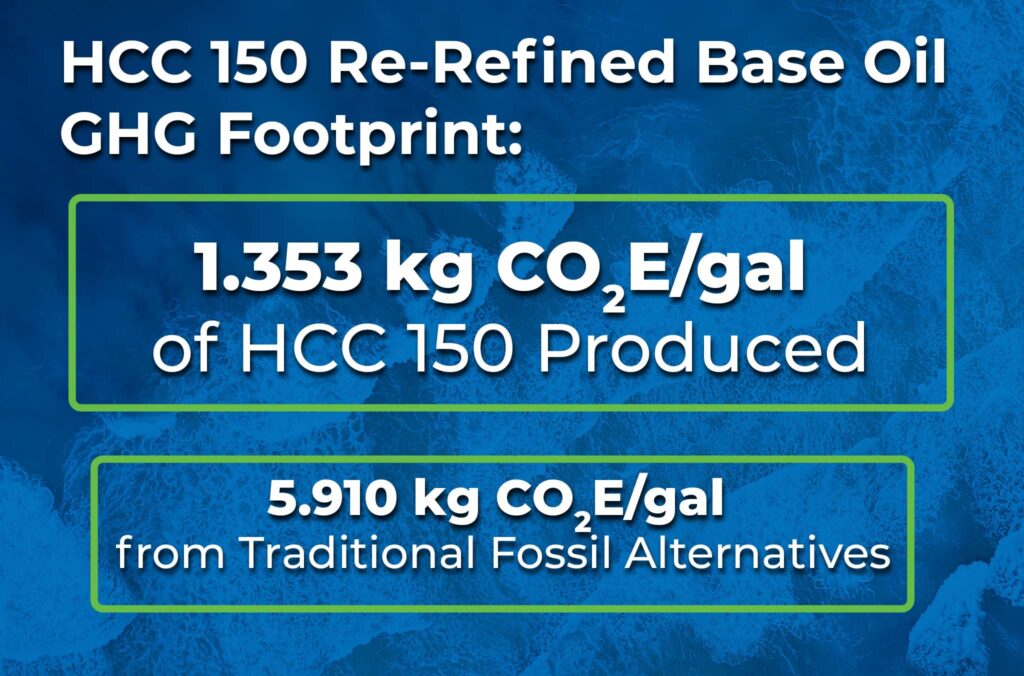
Crystal Clean, Inc., a leading provider of specialized environmental and waste management solutions to commercial and industrial end-markets, is proud to share the results of an in-depth life cycle assessment (LCA) for its HCC 150 re-refined base oil. The study, conducted by environmental consulting firm ClimeCo and critically reviewed by an independent third party, reveals a 77% reduction in greenhouse gas emissions (GHG) compared to traditional virgin base oils.

The LCA followed stringent standards, including ISO 14067 and the API TR 1533 Sector Specific Guideline, ensuring transparency and accuracy. It analyzed the cradle-to-gate emissions of HCC 150 compared to traditional fossil alternatives, accounting for all stages from raw material acquisition to base oil production. The results reveal that HCC 150 has a GHG footprint of only 0.422 kg CO2e per kilogram of base oil, underscoring the product’s environmental benefits.

“Crystal Clean’s commitment to sustainability is at the heart of our vision to help the business world run cleaner,” said Brian Recatto, President & CEO of Crystal Clean. “The life cycle analysis of HCC 150 showcases our ability to provide solutions that not only meet the industry’s highest standards but also help our customers achieve their environmental goals. This product is proof that sustainability and performance can go hand in hand.”

The significant reduction in the GHG footprint of HCC 150 compared to traditional base oils is achieved through Crystal Clean’s oil re-refining process, which transforms used motor oils and lubricants into high-quality Group II base oils. The process avoids the environmental burden of crude oil extraction and refining, conserving resources while delivering products that meet the same API and ILSAC performance standards as their virgin counterparts. Crystal Clean’s used oil re-refinery is one of the largest re-refineries in North America, with the capacity to re-refine more than 75 million gallons of used oil annually.

The LCA confirms that by using re-refined base oils like HCC 150, businesses can significantly lower their carbon footprints without compromising quality or reliability. High-volume users of base oil may see a substantial impact when switching to a re-refined base oil. For example, a company using one million gallons of base oil annually could reduce its GHG footprint by over 5,000 short tons by switching to HCC 150.

“The environmental benefits of HCC 150 extend beyond emissions reductions,” commented CEO Recatto. “By creating a circular economy, re-refined base oils minimize waste, reduce the demand for virgin oil extraction, and conserve natural resources.”

Companies adopting HCC 150 can also make substantial progress toward achieving their Scope 3 emissions reduction goals. With increasing demand for low-carbon products, HCC 150 positions Crystal Clean as a leader in the environmental services sector and a champion of the circular economy.

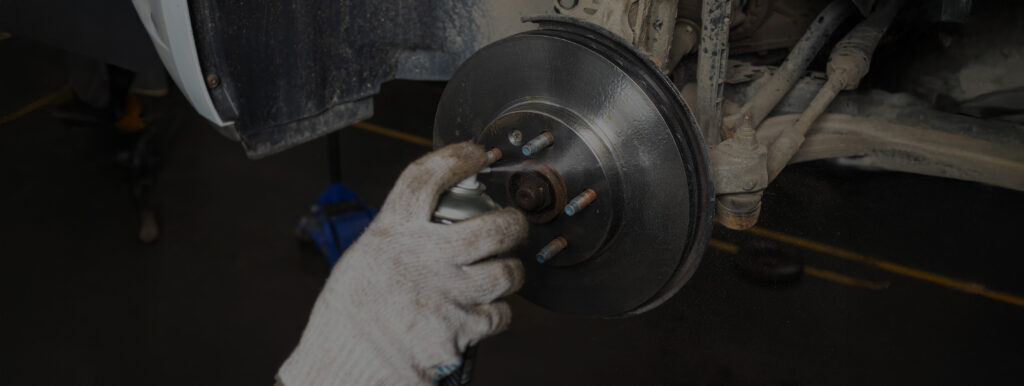
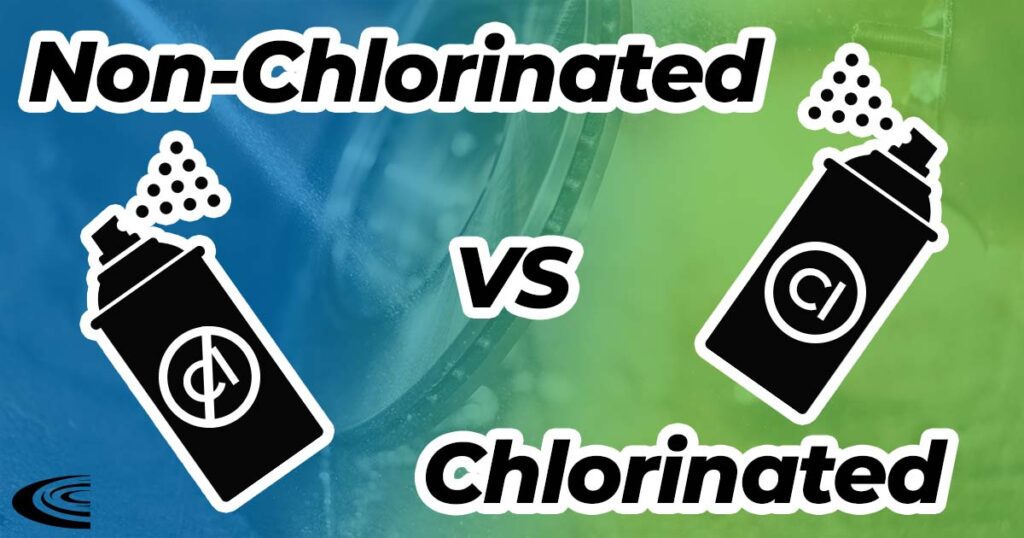
Non-Chlorinated Brake Cleaner vs. Chlorinated: What’s the Difference?

Brake cleaner is a vital tool in automotive and industrial maintenance, designed to remove grease, oil, and contaminants from brake components. However, not all brake cleaners are created equal—there are two primary categories: chlorinated and non-chlorinated.

While both are used for the same purpose, they differ significantly in chemical composition, safety, and compliance considerations. Understanding these differences can help businesses make informed decisions that prioritize worker safety, regulatory compliance, and environmental responsibility.

What’s the Difference?

Chlorinated Brake Cleaner: Strong, but Hazardous

Chlorinated brake cleaners contain chlorinated solvents, such as tetrachloroethylene (PERC) and trichloroethylene (TCE). These solvents are highly effective at cutting through grease and grime, but they come with significant health and environmental risks.

Key Concerns with Chlorinated Brake Cleaner containing chlorinated compounds such as perchloroethylene, trichloroethylene, and methylene chloride

  • Health Risks – Chlorinated solvents are linked to respiratory issues, organ damage, and even potential carcinogenic effects.
  • Environmental Hazards – Many states have strict regulations on the use of chlorinated solvents due to their hazardous nature.
  • Regulatory Risks – The U.S. Environmental Protection Agency (EPA) has set compliance deadlines for the phase-out of PERC in certain applications. Continued use beyond these deadlines could subject businesses to additional regulations, including fines and penalties.

Non-Chlorinated Brake Cleaner: A Safer, More Compliant Alternative

Non-chlorinated brake cleaners do not contain chlorinated solvents, making them a safer and more environmentally responsible option. Instead, they use hydrocarbon-based solvents, such as acetone, heptane, or alcohol-based mixtures, to dissolve grease and contaminants effectively.

Key Benefits of Non-Chlorinated Brake Cleaner:

  • Safer for Workers – No exposure to chlorinated solvents means fewer health risks.
  • Eco-Friendly – These formulas do not contribute to ozone depletion or hazardous byproducts like phosgene gas.
  • Regulatory Compliance – Many states and air quality agencies restrict the use of chlorinated solvents, making non-chlorinated cleaners the more widely accepted choice.

Making the Switch to Non-Chlorinated Brake Cleaner

As regulations tighten and businesses focus more on worker safety and sustainability, non-chlorinated brake cleaners are quickly becoming the preferred choice. They offer the same powerful cleaning performance—without the risks and restrictions of chlorinated alternatives.

Why Choose Crystal Clean’s Non-Chlorinated Brake Cleaners?

Crystal Clean’s non-chlorinated brake cleaners are fully compliant with state and federal VOC regulations, ensuring businesses meet air quality standards while still getting reliable cleaning power. Our formulas provide high-performance degreasing without hazardous chemicals, making them safer for workers and the environment.

We also offer multiple formulations to meet different VOC requirements, so businesses can choose the right balance of cleaning strength and compliance.

Time to Upgrade to a Safer Solution

For years, chlorinated brake cleaners were the go-to option, but times have changed. Non-chlorinated brake cleaners now offer the same cleaning power—without the health and compliance risks.

Ready to switch to a safer, compliant brake cleaner? Contact Crystal Clean today to explore our full range of non-chlorinated brake cleaners and find the best solution for your facility!

Contact Us

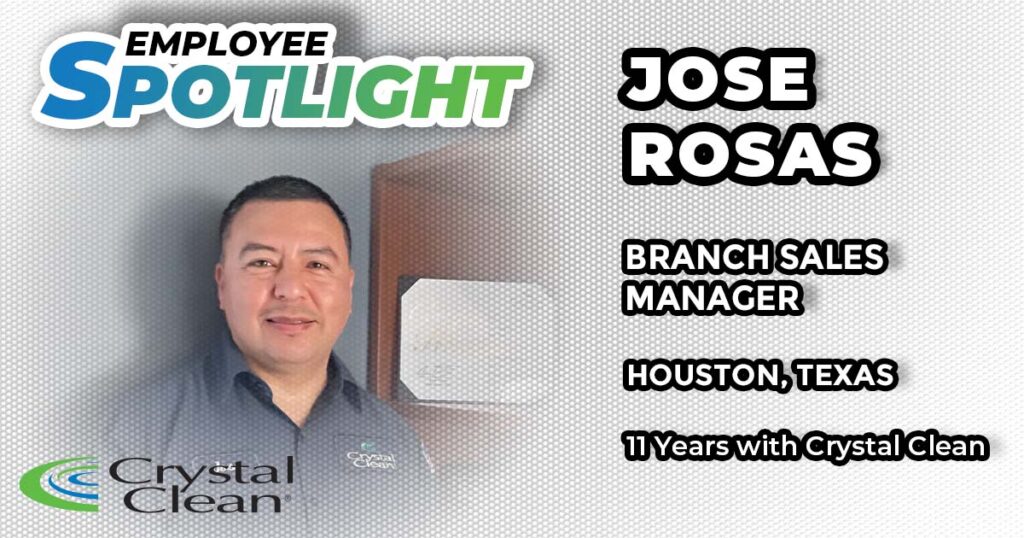
Employee Spotlight – Jose Rosas

In Houston North, you’ll find Jose Rosas, a dedicated and driven Crystal Clean employee who has just recently been promoted to the role of Branch Sales manager (BSM). He has spent the past 11 years building strong customer relationships and setting the standard for excellence at Crystal Clean. His journey has been one of continuous growth, unwavering dedication, and a deep-rooted passion for service.

Jose’s career with Crystal Clean began at the Houston South branch, where he began his career in the SSR role. When the branch split, he transitioned to Houston North, carrying with him the same commitment to top-tier service. Over the years, he has fine-tuned his approach, ensuring he is always prepared for the job ahead—never heading out on a route without double-checking his tools, supplies, and plan for the day.

For Jose, success isn’t about shortcuts—it’s about preparation, learning, and setting clear goals. “Set a goal, keep going, and never stop improving,” he says, a mindset that has guided him through more than a decade with Crystal Clean. His advice to others? Stay open-minded. He’s seen firsthand that those who are willing to learn from others and take advice often achieve the greatest success.

One of Jose’s favorite aspects of the job is the sales side of the business—finding new customers, maintaining strong relationships, and helping businesses meet their environmental needs. His ability to connect with people and provide solutions has made him a trusted partner for many customers.

Branch manager, Stanley Chandarlis, had these words to share when asked about Jose, “He is an extremely reliable employee for our branch and will go above and beyond with more than exceptional services to all our customers. His drive and motivation to continue to better himself over the course of his career is the reason why he is going to be our newest Branch Sales Manager for the Houston North Branch.”

But beyond sales and service, safety is a top priority for Jose. He views safety not just as a workplace policy but as a mindset—one that ensures smooth operations and, most importantly, a safe return home to family every day. He also believes that Crystal Clean’s commitment to safety sets it apart from the competition. “When customers see how much we prioritize safety, they know they can trust us,” he shares.

Jose’s hard work has not gone unnoticed. One of his proudest accomplishments is qualifying five times for our annual sales incentive competition and securing the top SSR spot in 2021 and 2022. This milestone reflects years of dedication, hard work, and an unwavering commitment to excellence. He credits Crystal Clean with pushing him beyond his own expectations, providing challenges that have helped him grow both professionally and personally. He also appreciates the company’s approach to building strong teams, ensuring the right people are in the right places to support one another.

“Jose runs one of the heaviest routes in Houston dealing with the pipe yards for the energy companies, and STILL found the time to win all my contests. His hard work and dedication over the years has paid off with his promotion to the BSM position.” Todd Rhode Divisional Vice President.

When thinking about the future, Jose envisions Crystal Clean expanding its footprint and becoming a household name in environmental services. With the right people and a strong commitment to excellence, he sees endless possibilities for growth.

For Jose, respect is at the heart of everything he does, respect for customers, coworkers, safety protocols, and the rules of the road. He firmly believes that treating people with respect earns their trust and keeps customers coming back.

Outside of work, Jose values time with his family. Whether it’s barbecuing fajitas, fishing, or gathering with loved ones, he treasures every moment spent making lasting memories.

Jose’s dedication to excellence, preparation, and continuous growth makes him a standout team member at Crystal Clean. With his passion for customer service and goal-oriented mindset, there’s no doubt he’ll continue making an impact as he starts his new position as a Branch Sales Manager.

Employee Spotlight – Nick Rosendall

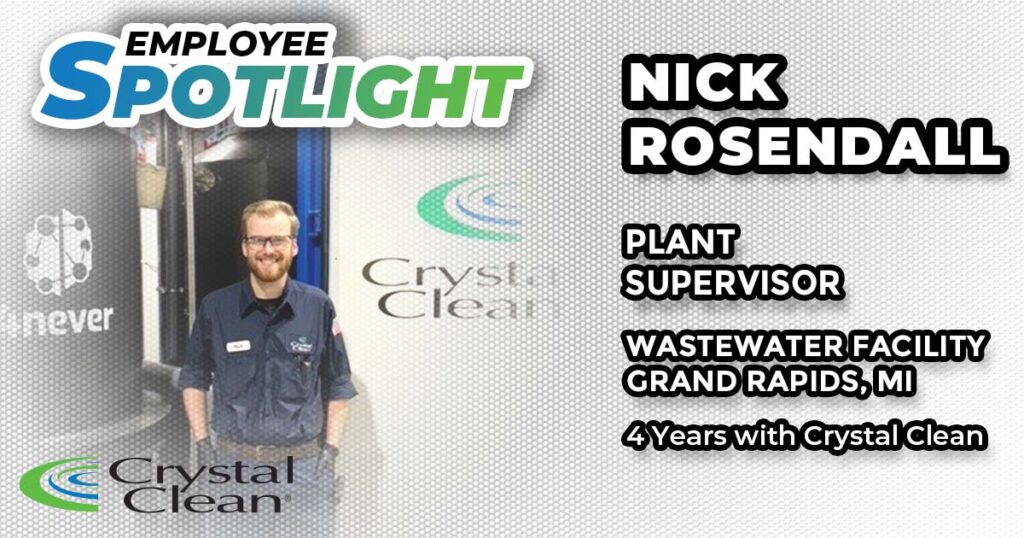
Located at our Grand Rapids Wastewater Treatment Facility (WWTF) is Plant Supervisor Nick Rosendall. With an extensive background in environmental services, Nick has been an invaluable member of Crystal Clean since April 2020. His journey into the industry began in 2016 with part-time roles handling barges, tanks, and dredging work. Since then, he’s risen through the ranks—from a Plant Technician managing truck unloading and other operations, to his current role overseeing complex wastewater processes, including handling PFAS waste.

A typical day for Nick involves balancing a variety of tasks, from arranging paperwork to overseeing the smooth operation of each department. He tackles any issues that arise, prioritizing them with precision and ensuring compliance at every stage. Nick’s attention to detail and commitment to safety is central to his role. “Keeping things as clean and organized as possible is crucial in our line of work,” he explains, emphasizing that these routines are key to the facility’s productivity.

Nick’s dedication to detail has led to significant improvements. One of his proudest achievements includes designing the bin layout for the facility’s drum shredder in SolidWorks, leveraging skills he developed from his mechanical engineering studies at Grand Valley State University. His innovative contributions have also been instrumental in the installation of multiple SAFF® units, which process waste streams contaminated with PFAS and have become an essential part of the facility’s operations.

“Nick has been instrumental in helping grow our Grand Rapids facility. His leadership has helped us navigate through a major Dissolved Air Flotation (DAF) system expansion and integrating the PFAS removal systems in the facility over the last couple of years” said Mike Petkovich, VP of Operations for Wastewater & Antifreeze Facilities. “Nick has positioned himself to take on more responsibility and mentor new employees within our wastewater operations. His dedication and attention to detail is exemplary. He has helped to develop this site into a state-of-the-art facility!”

For Nick, safety isn’t just a policy—it’s a core value he lives by. “Everyone wants to go home to their families at night,” he says, highlighting the high-stakes nature of working with heavy machinery. His commitment to this principle has earned him recognition across the company for his dedication to maintaining a safe work environment.

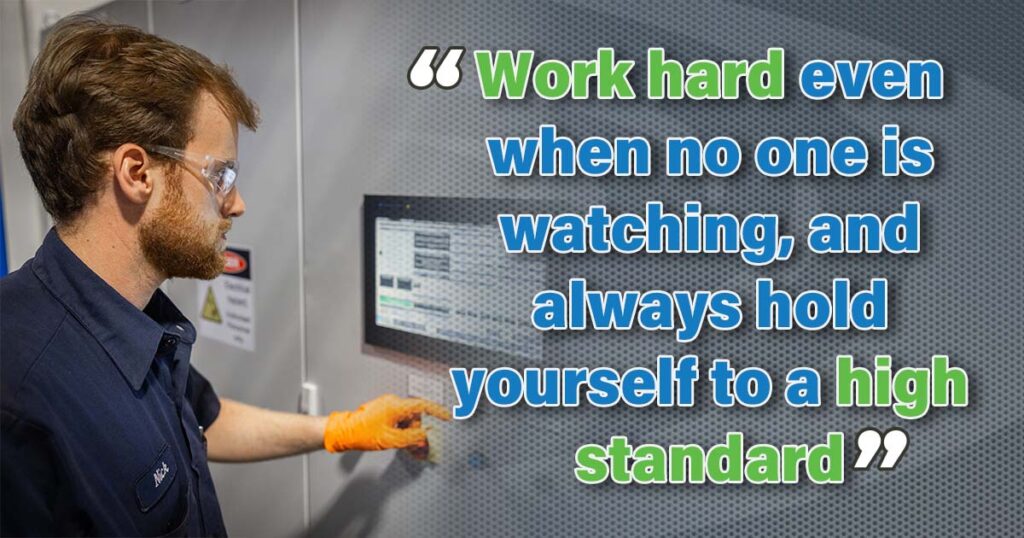
When asked what advice he would give to fellow employees, Nick emphasizes accountability and personal pride in one’s work. “Work hard even when no one is watching, and always hold yourself to a high standard,” he encourages. This mindset not only strengthens his team but also brings a deeper level of satisfaction to each workday.

Nick’s impact goes beyond his daily responsibilities. Colleagues know him for his respect and openness to new ideas, and his managers appreciate his calm, collected approach to any challenge. Looking to the future, Nick envisions continued growth for Crystal Clean’s wastewater treatment services, with more SAFF units supporting the rising need for PFAS treatment.

Outside of work, Nick stays active with his wife and close-knit family, often spending time training for marathons or practicing his passion for drone photography and videography. His dedication, both to his team and to personal growth, is an inspiration at Crystal Clean. His leadership promises continued success for the Grand Rapids WWTF.

Quadruple Technology Stack Making Short Work of Forever Chemicals at Grand Rapids

Crystal Clean continues to expand its PFAS remediation capabilities to meet growing market needs.

Crystal Clean, Inc., a leading provider of specialized environmental and waste management solutions to commercial and industrial end-markets, has expanded its capabilities at one of the largest PFAS remediation treatment facilities in the United States. The facility, located in Grand Rapids, MI, is now operating four advanced systems to remediate up to 300,000 gallons of PFAS-contaminated wastewater daily as part of its 4never™ PFAS remediation solution.

This sophisticated new technology is working daily to strip PFAS from heavily contaminated waters sourced from the continental U.S., reinforcing Crystal Clean’s position as a global leader in PFAS remediation solutions.

“Crystal Clean’s substantial infrastructure and transportation resources means PFAS-impacted waters can be removed at the source from virtually anywhere in the continental U.S.,” said Crystal Clean President and CEO Brian Recatto. “Our 4never™ solution is designed for high-volume, high-impact PFAS remediation, and we have construction plans to add PFAS treatment capabilities to several of our other commercial waste treatment facilities.”

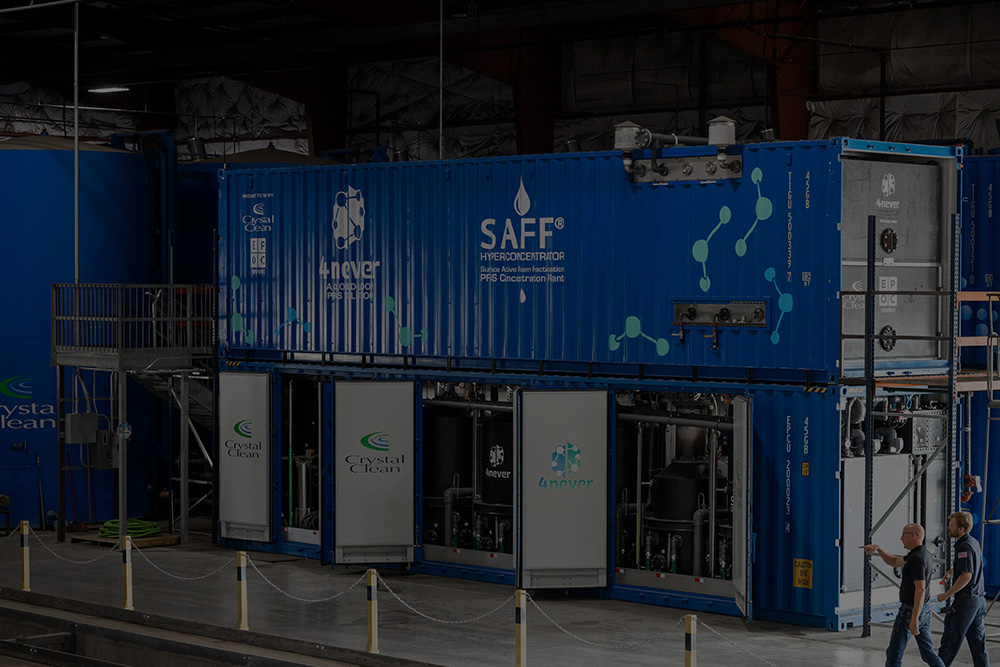
The 20,000 square foot processing area features three of EPOC Enviro’s SAFF®40 PFAS remediation systems and one SAFF® Hyper-Concentrator working in tandem, and support infrastructure including tank storage with capacity for more than 200,000 gallons. PFAS impacted waters arrive regularly either by rail or truck, where they are unloaded into central tank storage ready for remediation.

“The SAFF® Hyper-Concentrator, which forms a critical part of the facility, is EPOC Enviro’s latest technology offering, and this is the first time it has been deployed in the U.S.,” said EPOC Enviro President Peter Murphy. “It is purpose designed for large scale sites like this with high volume waters, and works to supercharge the PFAS remediation process by maximising water throughput to enable larger volumes of water to be efficiently stripped of PFAS.”

The SAFF® units can produce a PFAS concentration factor of up to two million, creating one gallon of PFAS concentrate from two million gallons of water treated. The SAFF® Hyper-Concentrator enhances concentration levels a further 20-200 times. This critical step creates micro-volumes of concentrated PFAS foam, ready for final management and destruction.

“Clients impacted by PFAS contamination have access to a safe, secure, and proven PFAS remediation treatment train. Once the waters leave their premises, they can relax knowing that their PFAS issue will be transported and resolved using one of the most effective treatment trains currently on the market,” Recatto said.

PFAS impacted waters arrive at Grand Rapids from a variety of locations including landfills as well as industrial wastewaters, fire-impacted waters and more.

“EPOC Enviro’s SAFF® technology is now operating on three continents and has remediated more than a quarter of a billion gallons of PFAS impacted water globally,” Murphy commented. “Our patented process of Surface Active Foam Fractionation (SAFF®) makes this possible by harnessing the power of rising air bubbles to separate and concentrate PFAS compounds, allowing it to effectively manage large water volumes with minimal energy and consumable usage.”

MEDIA QUERIES:

Mike Ademe, Crystal Clean – Communications and Marketing Manager

E: Mike.Ademe@crystal-clean.com l Tel: 224-281-1530

Michelle Mahon, EPOC Enviro – Communications Manager

E: mmahon@epocenviro.com 

About Crystal Clean, Inc.  www.crystal-clean.com

Crystal Clean, Inc., provides environmental and industrial services to manufacturers and other industrial businesses, utilities and governmental entities, and vehicle maintenance businesses. Their service programs include parts cleaning, regulated containerized and bulk waste management, used oil collection and re-refining, wastewater vacuum, emergency and spill response, industrial and field services, and waste antifreeze collection, recycling and product sales. These services help customers manage their used chemicals and liquid and solid wastes, while also helping to minimize their regulatory burdens.

About EPOC Enviro www.epocenviro.com

Protecting and improving the environment 

EPOC Enviro is an award-winning environmental engineering firm. The EPOC acronym stands for ‘Emerging Pollutants of Concern’.  Our mission is to develop and implement clever and practical engineering solutions on a global scale to permanently remove PFAS and other emerging contaminants from the environment. At EPOC Enviro, we proudly apply the principles of intelligent design, sustainable engineering and green chemistry to our craft.   

WHAT IS PFAS? 

PFAS are a family of synthetic compounds widely used globally to make products that resist heat, oil, stains, grease and water. PFAS compounds break down very slowly over time and are recognised as an ‘emerging contaminant’ with widespread concerns about their characteristics of persistence, bioaccumulation, toxicity and impacts on human health.