Keeping facilities safe, compliant, and efficient is no small task. From mills and plants to refineries and construction sites, cleanliness plays a key role in protecting equipment, employees, and productivity. That’s where hydroblasting comes in. This powerful, eco-friendly cleaning method has quickly become a go-to solution for companies that want thorough results without compromising safety or the environment.
What Is Hydroblasting?
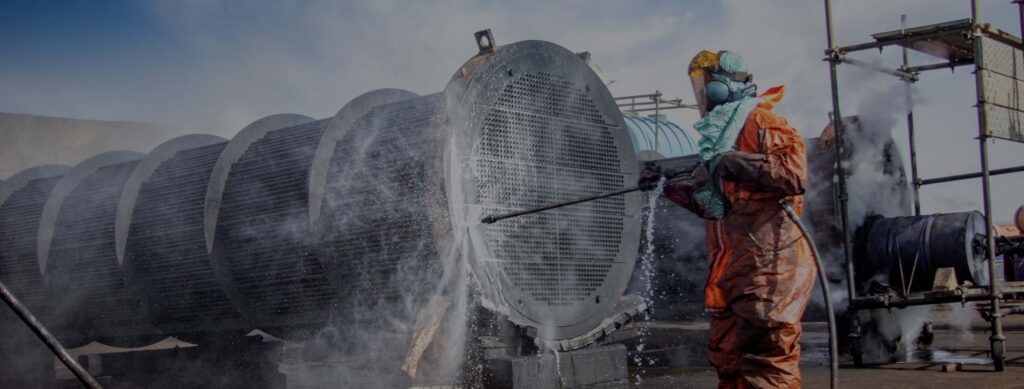
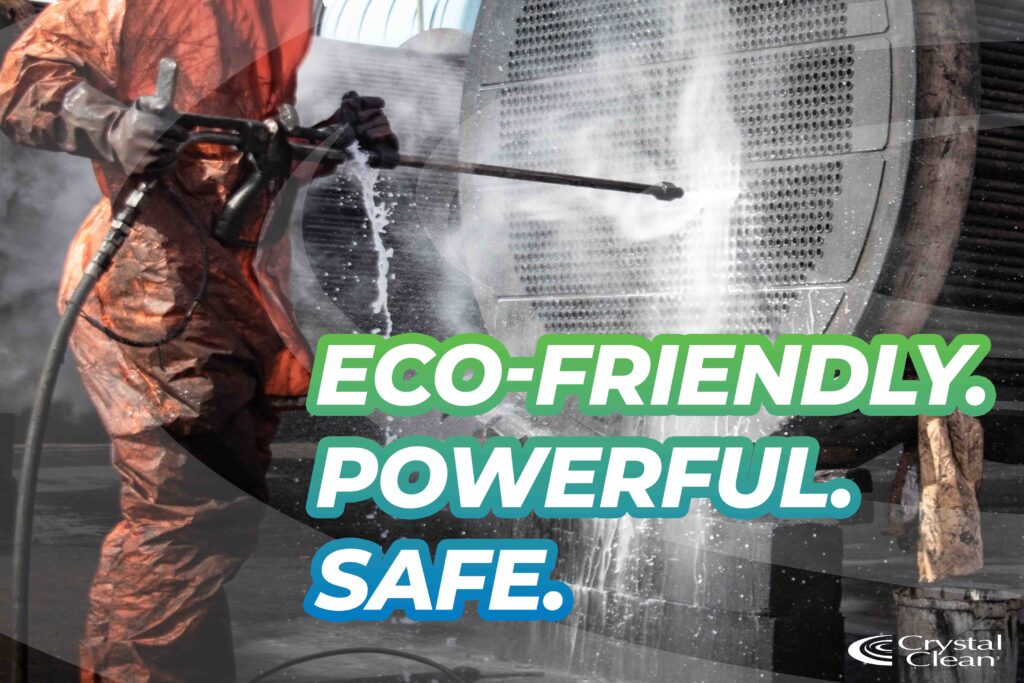
At its core, hydroblasting uses nothing more than high-pressure water to remove unwanted buildup. By adjusting pressure and specialized nozzles, trained operators can strip away paint, rust, concrete, or stubborn debris without damaging the underlying surface. Because it relies solely on water, hydroblasting avoids the need for harsh chemicals and reduces the risks associated with abrasive cleaning methods.
A typical process begins with assessing the surface and selecting the right pressure and equipment. Protective barriers may be set up to control runoff, followed by precise water jetting to clean or remove material. Once complete, the area is inspected to ensure everything has been cleared. Finally, any removed materials are responsibly collected and disposed of, keeping operations clean and compliant.
The Equipment Behind the Process
Hydroblasting is powered by pumps capable of producing pressures up to 20,000 PSI. Depending on the project, equipment can range from handheld units to truck-mounted systems for large-scale work. Operators often use hydroblast guns connected to reinforced hoses, allowing them to adjust water pressure and direction with precision. For more complex or confined spaces, automated systems and robotic tools can take over — providing accuracy, consistency, and an added layer of safety by reducing the need for direct worker involvement.
Where Hydroblasting Makes a Difference
Few cleaning methods are as versatile as hydroblasting. Manufacturing facilities use it to clear residue from tanks, piping, and machinery. Construction and infrastructure projects rely on it for surface preparation, ensuring coatings adhere properly and repairs last longer. In some cases, hydroblasting is even used for controlled concrete removal, offering a quieter, dust-free alternative to jackhammers and other mechanical methods.
Because it can reach into small slots, ducts, and tubing, hydroblasting also excels at maintaining critical systems like heat exchangers and condensers. Routine services help prevent buildup that could otherwise reduce efficiency, cause downtime, or shorten equipment life.
Benefits Beyond Clean Surfaces
The advantages of hydroblasting go far beyond spotless equipment. It reduces the need for chemical cleaners, making it better for the environment and safer for employees. By capturing debris and controlling runoff, it also minimizes airborne particles that can harm air quality. And because it’s both fast and precise, hydroblasting helps reduce downtime, allowing operations to return to full capacity more quickly.
Partnering with Crystal Clean
At Crystal Clean, we view hydroblasting not just as a service, but as a way to help our customers protect their people, their assets, and their reputation. Our team combines advanced equipment with deep expertise to deliver results you can count on — whether it’s routine maintenance, surface preparation, or specialized cleaning challenges.
When you choose Crystal Clean, you’re choosing a partner committed to safety, compliance, and environmental responsibility. If you’re curious about how hydroblasting can benefit your facility, our team is here to share insights and create a solution tailored to your needs.
Let’s start the conversation — together, we’ll keep your operations clean, compliant, and running at their best.
Engines of different makes, models, and applications require very specific coolant technology to operate at peak efficiency. Choosing the correct antifreeze protects metal components from corrosion, prevents freeze-ups in cold weather, stops boil-overs in heat, and extends the overall life of the cooling system.
Antifreeze isn’t one-size-fits-all. Each formulation has unique properties—additive packages, service intervals, and compatibility requirements—that match specific OEM guidelines. Understanding these differences ensures every service is performed correctly and helps avoid costly issues down the road.
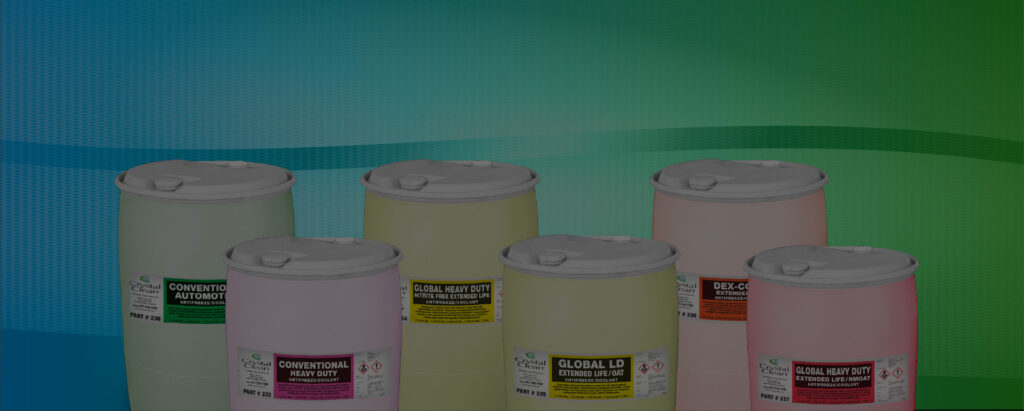
Below is an overview of Crystal Clean’s antifreeze solutions and where each is best applied.
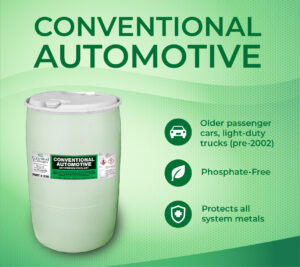
Best for: Older passenger cars and light-duty trucks (generally pre-2002) requiring conventional coolant.
Key Benefits: Meets performance requirements of ASTM D3306; prediluted 50/50; phosphate-free inhibitor package; protects all system metals; service life up to 3 years or 50,000 miles.
Where It Fits: Maintains traditional cooling systems with reliable freeze/boil protection while preventing corrosion in aging components.
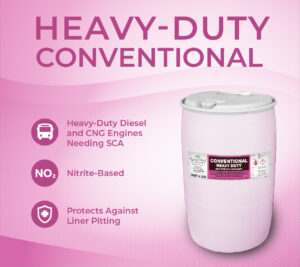
Best for: Heavy-duty diesel and CNG engines requiring conventional HD coolant with nitrite-based protection.
Key Benefits: Meets performance requirements of ASTM D6210 and D3306; contains SCAs and 1200 ppm nitrite; protects against liner pitting; available in pink or green; up to 3 years/300,000 miles with proper maintenance.
Where It Fits: Proven Nitrite-based chemistry for heavy-duty diesel and compressed natural gas engine colling systems requiring conventionally inhibited HD coolants.
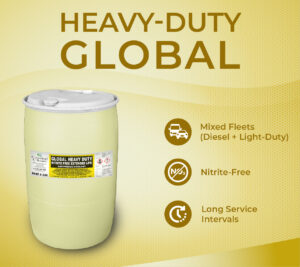
Best for: Mixed fleets requiring nitrite-free OAT extended-life protection.
Key Benefits: Meets performance requirements of ASTM D6210, D3306; pure OAT formula using inhibitor technology free of nitrite, silicate, phosphate; protects against liner pitting; available in yellow or red; up to 600,000 miles/12,000 hours.
Where It Fits: Streamlines inventory for operations servicing both diesel and light-duty engines, extending service intervals without compromising protection.
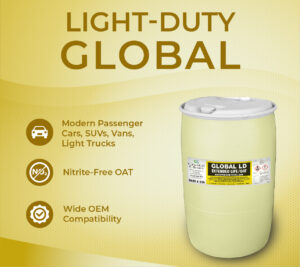
Best for: Foreign and domestic passenger cars, SUVs, vans, and light trucks requiring extended-life OAT coolant.
Key Benefits: Meets performance requirements of ASTM D3306; pure OAT technology; nitrite-free inhibitor technology; compatible with other OAT coolants; up to 5 years/150,000 miles.
Where It Fits: Provides broad compatibility for modern vehicles, reducing the need to stock multiple specialty coolants while ensuring long-term protection.
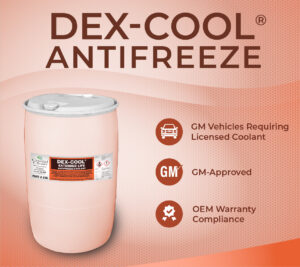
Best for: General Motors vehicles requiring GM-licensed DEX-COOL®.
Key Benefits: GM-approved (GWM3420); meets performance requirements of ASTM D3306; 5-year/150,000-mile service life; ready-to-use 50/50; orange in color.
Where It Fits: Ensures OEM compliance and warranty protection for GM vehicles with factory-specified coolant requirements.
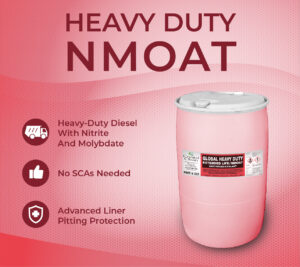
Best for: Heavy-duty diesel engines needing nitrite and molybdate-enhanced OAT protection.
Key Benefits: Meets performance requirements of ASTM D6210, D3306; eliminates need for SCAs; protects against liner pitting; up to 600,000 miles/12,000 hours with extender at mid-life.
Where It Fits: Delivers advanced corrosion protection for demanding diesel applications, with added benefits of nitrite and molybdate chemistry, compatible with other HD OAT coolants like CAT ELC
Matching Products to Performance and Profitability
Having the right antifreeze for every application means more than meeting OEM specifications; it streamlines service, reduces the number of SKUs needed on the shelf, and ensures the job is done right the first time.
Crystal Clean supports these needs not only with a complete antifreeze product line but also with closed-loop recycling services that restore used coolant to meet or exceed ASTM and OEM performance standards. This approach helps reduce waste, lower disposal costs, and protect the environment—while keeping your service operations running smoothly and profitably.
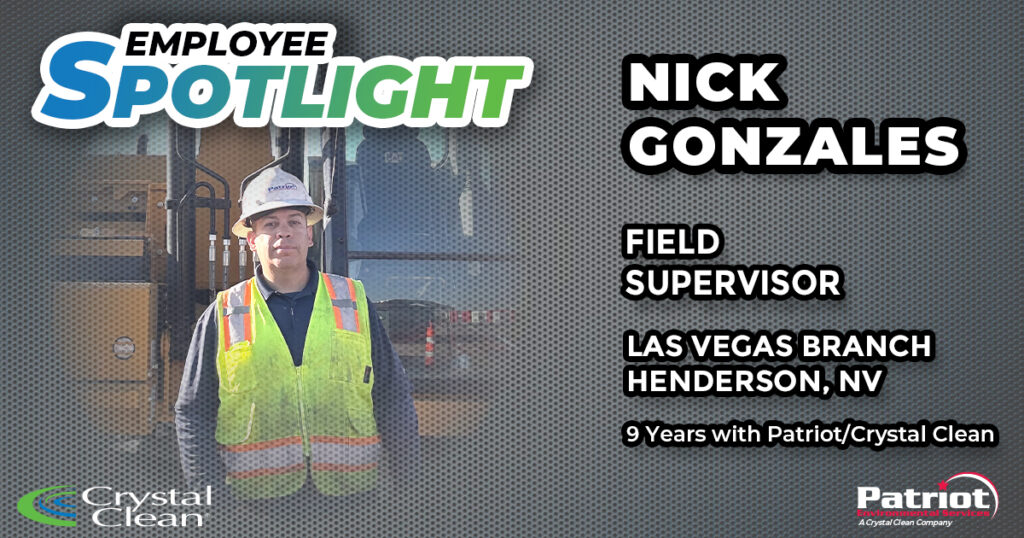
In the rugged terrain of the Southwest, there’s no mistaking the hustle of Nick Gonzales. As a Field Supervisor at the Las Vegas industrial services facility, Nick has been a driving force behind some of the most challenging and high-impact environmental projects under Crystal Clean’s Patriot Environmental subsidiary for nearly a decade. Whether he is coordinating a hydroblasting crew, leading a tank cleaning, or operating heavy equipment on a one-thousand-yard excavation site, Nick brings unmatched grit, experience, and leadership to every job.
With over 20 years in the environmental services industry, Nick’s journey began back in 2004 with hands-on field work at companies specializing in environmental response and industrial services. Nearly a decade ago, he brought that experience to Patriot. He continues to stay hands on, reliable, and laser focused. “I love what I do. The time flies because no two days are ever the same,” he says.
A One-Stop Shop in the Field
Nick’s daily routine includes a balance of planning and doing. He walks job sites, coordinates equipment, supports his technicians, and builds quotes alongside the sales team. He is the type of leader who thrives in the thick of the action. “I would not trade this for an office job,” he says with a smile. “I like staying hands on. That is where I belong.”
His ability to adapt to any situation has been key to his success. “You have got to be a one-stop shop,” he explains. “No matter what the job is, we get it done.”
One of his proudest moments came while leading a massive excavation project. As he recalls, “When you finish a job like that, you step back and realize something big was accomplished.”
Empowering Through Leadership and Safety
For Nick, leadership is about listening, preparing, and protecting. He creates an environment where every team member has a voice, especially during safety meetings. “I make sure everyone understands what we are doing, and I encourage people to speak up. When the team feels heard, they stay focused and safe.”
Safety is deeply personal to Nick. “The jobs we do are dangerous. If someone gets hurt, that is on me. I never want to carry that on my conscience. Safety is the most important part of every job we take on.”
He is also a strong believer in cross training. “It is not just about getting the job done. It is about teaching others how to do it the right way and safely. That is how we grow stronger as a team.”
Support, Growth, and Looking Ahead
Nick credits Patriot’s leadership for supporting his success in the field. “If I need equipment, I can get it. If something is going to help us do the job right, the company makes sure we have it. That kind of support means everything.”
As he looks to the future, Nick hopes to see Patriot and Crystal Clean expand its waste and water treatment capabilities. “We have the talent and the tools. The more we grow, the more we can achieve.”
He also offers sound advice to new employees. “Cross train, speak up, and stay alert. We are all here to help one another succeed and stay safe.”
Beyond the Job Site
Outside of work, Nick enjoys riding motorcycles both on and off the track. He also likes to travel when he gets the chance. His favorite places so far have been Ireland and Japan, both offering a change of pace and a break from the day-to-day.
Whether leading a complex mine cleanup or mentoring the next generation of field techs, Nick Gonzales is a steady force at Patriot. He is a leader who gets the job done, builds up his team, and always puts safety first.
Agreement to Serve as a Model for Future Collaborations to Create a National Network of TSDF Partnerships
DURHAM, N.C., Sept. 08, 2025 — 374Water Inc. (NASDAQ: SCWO) (“374Water”), a global leader in organic waste destruction technology and services for the municipal, federal, and industrial markets, today announced a Waste Destruction Services (“WDS”) collaboration agreement focused on PFAS eradication with Crystal Clean, a leading provider of environmental and waste management solutions to commercial, industrial, and government end-markets.
374Water will establish a full-service WDS operation to unlock significant revenue opportunities across municipal, federal, and industrial market verticals. Operations at one of Crystal Clean’s facilities will include its proprietary AirSCWO technology, pre- and post-treatment systems, and ancillary equipment. This agreement will allow 374Water to actively pursue large federal destruction contracts for Aqueous Film-Forming Foam (“AFFF”), granular activated carbon (“GAC”), ion exchange resin (“IEX”), and other PFAS contaminated wastes. 374Water will also pursue large municipal and industrial PFAS waste destruction contracts which are ideal for this facility. In addition, Crystal Clean and 374Water will actively market AirSCWO WDS to existing customers, who approve of the technology, and thereby secure additional waste streams for destruction.
During 2025, 374Water intends to establish its WDS operations focused on PFAS eradication, the WDS operations will initially utilize the AirSCWO 6 system, which has the potential, over time, to generate $3 million to $5 million in annual recurring revenue. 374Water may install a second AirSCWO 6 system in 2026 to meet increased client demand.
In addition, 374Water has begun to build its mobile AirSCWO fleet for onsite WDS for clients who prefer onsite destruction projects and operations. The company intends to build a fleet of mobile AirSCWO systems to meet specific customer needs.
“Crystal Clean is an ideal partner to enable our waste destruction services business to scale rapidly and support growing demand across a wide array of market verticals and waste streams,” said Chris Gannon, CEO of 374Water. “The combination of 374Water’s AirSCWO destruction technology and Crystal Clean’s experience collecting and concentrating PFAS waste streams unlocks significant potential revenue for both companies, including destruction contracts for Federal PFAS-contaminated waste streams. With Crystal Clean’s 25-plus years of experience as a leader in the environmental services market, we believe this partnership will empower us to unlock the massive PFAS waste destruction market.”
“At Crystal Clean, our vision is to protect the Earth’s resources by helping the business world run cleaner,” said Brian Recatto, President & CEO of Crystal Clean. “This partnership strengthens our position as a leader in the safe and effective removal of PFAS from the environment. By hosting 374Water’s super critical water oxidation system at one of our waste treatment facilities, we are bringing together proven PFAS destruction technology with our trusted operations to better support the evolving needs of government and industrial clients. This is a strategic move that builds upon our existing capabilities to concentrate PFAS waste, allowing for safe, efficient, and compliant destruction.”
About Crystal Clean
Crystal Clean provides environmental and industrial services to a wide range of customers including manufacturers, vehicle maintenance businesses, utilities, and government agencies. With a network of more than 120 environmental services branches, industrial service facilities, and waste treatment centers across the continental U.S., Crystal Clean provides tailored solutions that help customers manage their chemical, liquid, and solid waste streams while reducing regulatory burdens.
Crystal Clean’s service offerings include parts cleaning, containerized and bulk waste management, used oil collection and re-refining, vacuum wastewater services, emergency and spill response, industrial and field services, and antifreeze collection, recycling, and product sales.
374Water Inc. (NASDAQ: SCWO) is a global industrial technology and services company providing innovative solutions addressing wastewater treatment and waste management issues within the municipal, federal and industrial markets. 374Water’s AirSCWO technology is designed to efficiently destroy and mineralize a broad spectrum of nonhazardous and hazardous organic wastes, producing safe dischargeable water streams, safe mineral effluent, safe vent gas, and recoverable heat energy. 374Water’s AirSCWO technology has the potential to assist its customers to meet discharge requirements, reduce or eliminate disposal costs, remove bottlenecks, and reduce litigation and other risks. 374Water continues to be a leader in innovative waste treatment solutions, dedicated to creating a greener future and eradicating harmful pollutants. Learn more by visiting www.374water.com.
Cautionary Language on Forward-Looking Statements Certain statements in this communication are “forward-looking statements” within the meaning of the “safe harbor” provisions of the Private Securities Litigation Reform Act of 1995, as amended. These statements relate to future events or our future financial performance, including statements relating to whether 374Water will be able to unlock revenue from its WDS operations, whether 374Water will be successful in obtaining federal, municipal and industrial waste destruction contracts, the timing for 374Water to launch WDS operations and 374Water’s ability to establish additional WDS operations, 374Water’s ability to scale its operations, demand for 374Water’s solutions, and 374Water’s ability to destroy PFAS at scale, and 374Water’s future prospects and involve known and unknown risks, uncertainties, and other factors that may cause 374Water’s actual results, levels of activity, performance, or 374Water’s achievements or those of its industry to be materially different from those expressed or implied by any forward-looking statements. In some cases, forward-looking statements may be identified by the use of words like “may,” “will,” “could,” “would,” “should,” “expect,” “plan,” “anticipate,” “intend,” “believe,” “estimate,” “project,” “consider,” “predict,” “potential,” “feel,” or other comparable terminology. 374Water has based these forward-looking statements on its current expectations, assumptions, estimates, beliefs, and projections. While 374Water believes these expectations, assumptions, estimates, and projections are reasonable, such forward-looking statements are only predictions and involve known and unknown risks and uncertainties, many of which involve factors or circumstances that are beyond the 374Water’s control. These and other important factors, including those discussed under “Risk Factors” in 374Water’s Form 10-Q for the quarter ended June 30, 2025, as well as 374Water’s subsequent filings with the SEC, may cause actual results, performance, or achievements to differ materially from those expressed or implied by these forward-looking statements. The forwardlooking statements herein are made only as of the date they were first issued, and unless otherwise required by applicable securities laws, 374Water disclaims any intention or obligation to update or revise any forward-looking statements, whether as a result of new information, future events, or otherwise.
374Water Investor Relations and Media Contact Chris Tyson Executive Vice President MZ North America Direct: 949-491-8235 SCWO@mzgroup.us www.mzgroup.us
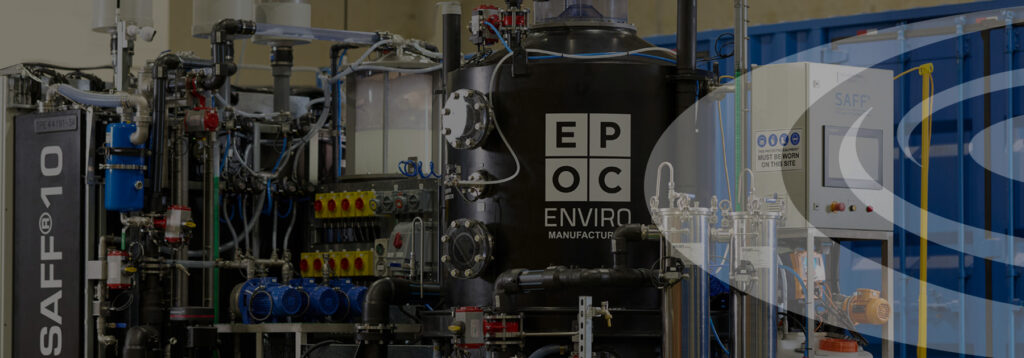
Hoffman Estates, IL — Crystal Clean today announced the launch of the SAFF®10, a compact and versatile addition to its turnkey 4never™ PFAS remediation solution. Designed to meet growing demand for space-efficient, high-performance treatment options, the SAFF®10 delivers powerful remediation capability in a small, sustainable package.
Manufactured by Australian environmental engineering firm EPOC Enviro, the SAFF®10 joins Crystal Clean’s growing portfolio of SAFF® technologies. It is ideally suited for projects with limited site access, intermittent water flow, or lower volume throughput.
Surface Active Foam Fractionation (SAFF®) is a patented, nature-inspired technology that uses air bubbles to separate and remove more than 99% of targeted PFAS compounds. This sustainable process enables treated water to be safely discharged or reused, supporting regulatory compliance and environmental stewardship.
“Every PFAS challenge is unique, and effective remediation requires flexibility,” said Brian Recatto, President & CEO of Crystal Clean. “The SAFF®10 is a compact, go-anywhere system that brings the power of SAFF® technology to smaller or space-limited sites that may not have the needs for a large-scale remediation technology on-site.”
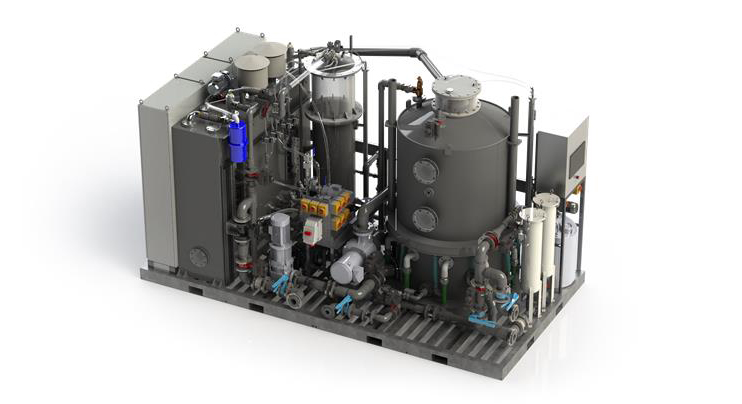
With a footprint just under 8 by 16 feet, the SAFF®10 can be installed in compact areas such as maintenance areas or plant rooms, or mounted on a trailer for rapid deployment. It offers the same trusted SAFF® process for effective PFAS removal, providing a proven and effective solution in a smaller, more flexible format.
The SAFF®10 can process up to 45 gallons per minute and includes both primary and secondary foam fractionation for superior PFAS capture.
It’s an ideal technology for remediating target PFAS contaminants in any number of applications including landfill leachates, groundwater, industrial effluent, mobile and fixed extinguishing system decontamination, spill incident event waters, and more.
Key features of the SAFF®10:
Throughput capacity up to 45 GPM
Modular, skid-based system for flexible deployment
Integrated dosing for enhanced uptake of short chain PFAS
Capable of treating a wide range of water types and PFAS concentrations
Mobile, lightweight, and forklift-moveable
First developed in 2015, SAFF® technology has now successfully treated nearly 400 million gallons of PFAS-impacted water globally. Crystal Clean currently operates a PFAS treatment facility in Michigan and is expanding SAFF® treatment capabilities across multiple U.S. wastewater treatment locations.
Crystal Clean provides environmental and industrial services to manufacturers and other industrial businesses, utilities and governmental entities, and vehicle maintenance businesses. Their service programs include parts cleaning, regulated containerized and bulk waste management, used oil collection and re-refining, wastewater vacuum, emergency and spill response, industrial and field services, and waste antifreeze collection, recycling and product sales. These services help customers manage their used chemicals and liquid and solid wastes, while also helping to minimize their regulatory burdens.
About EPOC Enviro
EPOC Enviro is an award-winning Australian environmental engineering firm. The EPOC acronym stands for ‘Emerging Pollutants of Concern’.
Their mission is to develop and implement clever and practical engineering solutions on a global scale to permanently remove PFAS and other emerging contaminants from the environment.
EPOC Enviro has successfully pioneered separation and concentration of PFAS contaminants from impacted waters into a single step using their patented Surface-Active Foam Fractionation technology. This solution rapidly removes criteria PFAS compounds including long and short chain contaminants, generally down to the limits of reporting. It’s a clean, cost effective and sustainable process.
What is PFAS?
PFAS are a family of synthetic compounds widely used globally to make products that resist heat, oil, stains, grease and water.
PFAS compounds break down very slowly over time and are recognised as an ‘emerging contaminant’ with widespread concerns about their characteristics of persistence, bioaccumulation, toxicity and impacts on human health.
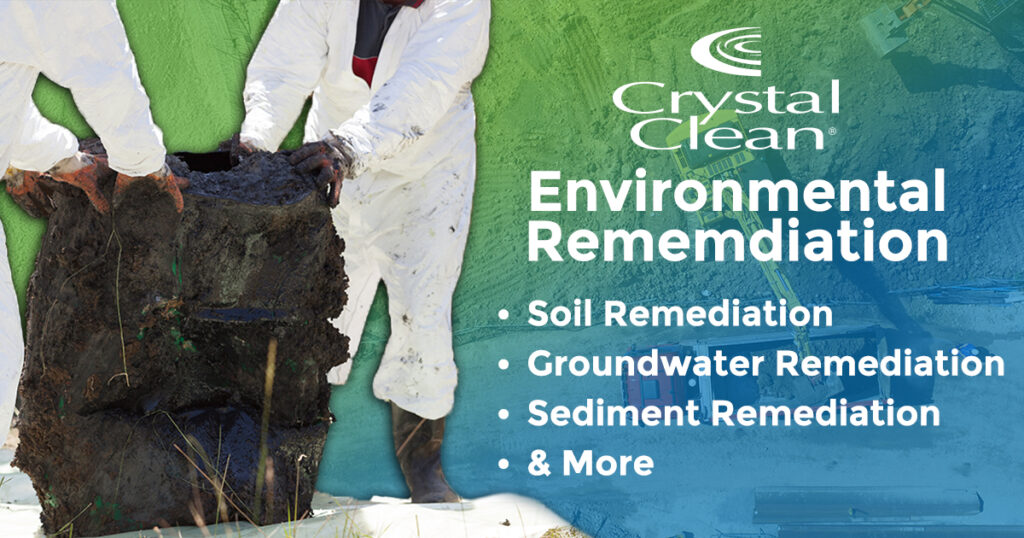
Environmental remediation is the process of cleaning up pollution in areas like soil, groundwater, sediment, or even the air. The goal is to remove harmful substances and make these places safer and healthier for people, animals, and the environment. Pollution can come from industrial operations, accidental spills, or old waste left behind at inactive sites. No matter the cause, cleaning it up is important for public safety and environmental health.
Types of Environmental Remediation
There are different ways to handle contamination, depending on where the pollution is found. You might need one approach for contaminated soil, another for polluted groundwater, and something else entirely for sediment at the bottom of rivers or lakes. That’s why environmental remediation isn’t a one-size-fits-all process.
Crystal Clean’s Field Services team is trained and equipped to handle all of these scenarios. We make sure every job is done safely and in line with local, state, and federal rules.
Soil Remediation
Soil remediation deals with cleaning up polluted dirt. Contamination can happen from spills, leaks, bad disposal practices, or years of industrial activity. Pollutants like fuel, oils, heavy metals, and chemicals can make the land unsafe for people and wildlife. If not removed, they can also seep into groundwater.
Crystal Clean begins by testing the soil to see what types of contaminants are present and how much there is. We manage everything from sampling and digging to transportation and disposal. Depending on what’s needed, we may work with environmental partners to apply special treatments directly on-site or at a facility. Our goal is to make the land safe again so it can be used without risk.
Groundwater Remediation
Groundwater is the water that moves beneath the earth’s surface and often supplies wells or community water systems. If this water becomes contaminated, it can pose a serious risk to public health. Common pollutants include industrial solvents, fuels, and metals that slowly move down through the soil.
Crystal Clean works with environmental engineers and groundwater experts to identify and treat these problems. We use methods like pump and treat systems that remove the water for cleanup or in-place treatments that break down pollutants underground. We take care of everything from mapping where the contamination is to providing the necessary reports for regulatory compliance. The focus is on stopping the pollution from spreading and restoring clean water.
Sediment Remediation
Sediment remediation focuses on cleaning up contaminated materials that have settled at the bottom of rivers, lakes, harbors, or wetlands. Over time, pollutants from industrial runoff or past waste practices can build up in these areas. If left alone, they can spread into the water and harm fish, wildlife, and nearby communities.
Crystal Clean assesses the area and works with partners who specialize in dredging and environmental cleanup. We may remove the sediment, cover it to contain the contamination, or monitor it over time depending on the situation. The aim is always to protect the ecosystem while making the process as smooth and effective as possible.
How We Get the Job Done
Different problems require different tools. At Crystal Clean, we use a variety of cleanup methods based on the site conditions and type of contamination. Here are our two most commonly used techniques.
Excavation Services
Excavation is one of the most straightforward ways to remove contamination from the ground. It involves physically digging up the polluted soil and hauling it off-site for treatment or disposal. Crystal Clean starts by testing the soil and identifying how deep the contamination goes. Once that’s clear, we carefully excavate the area to remove the polluted material.
The soil is then taken to a licensed treatment or disposal facility. In many cases, we can send the material to be recycled or used in waste-to-energy programs. From planning to execution, we handle the process safely and responsibly so your site stays on track and in compliance.
Bioremediation Services
Bioremediation is a method that uses living microorganisms like bacteria to break down pollutants in soil or water. It works especially well for petroleum-based contaminants, solvents, and other organic chemicals.
Crystal Clean prepares the site and introduces or enhances microbial activity to speed up the cleanup. We may add nutrients or oxygen to help the bacteria grow and do their job. This method is great for locations where digging isn’t ideal and is often more cost-effective than traditional removal options. It’s also environmentally friendly and a good fit for long-term solutions.
Why Crystal Clean Is the Right Partner
Having a trusted partner for environmental cleanup makes all the difference. Crystal Clean’s Field Services team has years of experience handling everything from emergency spill response to long-term site restoration. We take care of every part of the project so you don’t have to juggle multiple vendors or worry about compliance issues.
Our team serves clients across the country and follows all applicable regulations. We focus on delivering results that meet your goals while protecting your business and the environment.
With Crystal Clean on your side, you get a team that’s ready to handle the hard work so you can stay focused on your operation.
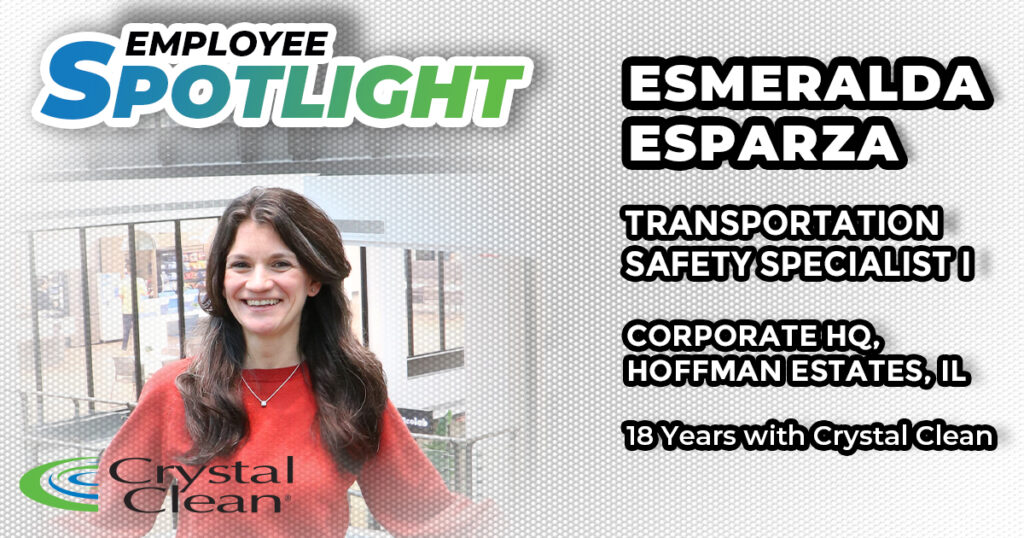
Some wins are seen on the road, and others are made behind the scenes, laying the foundation for safety, compliance, and long-term success. That’s where Esmeralda Esparza, Transportation Safety Specialist I, has been making an impact.
Esmeralda’s journey with Crystal Clean began in 2007 at the Chicago North branch, where she started as a Branch Clerical. After 2 years, she advanced into compliance-focused roles, eventually earning her place on the Environmental Health & Safety (EHS) DOT team. This pivotal moment in her career came with the support of Branch Manager Bob Skelton, who encouraged her to pursue new opportunities even if it meant leaving the branch. His belief in her potential helped open the door to her next chapter.
“Esy was quite a catch when she joined the team at Chicago North,” Bob shared. “She immediately made strong relationships with the staff and was a quick study when it came to learning the Crystal Clean way and systems. She worked hard and was very reliable. She truly was an asset to the crew in our quest to grow the branch. Although I was sad to see her go, I was proud of her achievements. I consider it an honor to have worked with her.”
Esmeralda’s path is a strong example of what’s possible through grit, clarity, and a drive to improve the system rather than just follow it.
Today, Esmeralda plays a central role in strengthening Crystal Clean’s driver safety culture, leading efforts to roll out programs that help every driver understand not only how to be safe but why it matters.
“We can’t expect drivers to do their job safely if we don’t give them the right information and tools,” she said. “That means being transparent, communicating clearly, and making sure they’re truly supported in the field.”
Whether she’s navigating DOT regulations, troubleshooting issues, or fielding urgent compliance questions, Esmeralda stays focused on one thing: keeping our branches, our customers, and our drivers safe. She’s especially proud of helping to launch the Motive system, including dashcams and electronic logging devices (ELDs), tools that are now helping shape a more proactive, informed, and safety-first culture on the road.
“Dashcams protect our drivers, provide coaching opportunities, and give managers visibility,” Esmeralda explained. “They’ve already helped prove innocence in accidents and support safer behavior. Over time, we want safety behind the wheel to become second nature, something that’s just part of how we operate.”
And while safety scores don’t improve overnight, progress is already showing. “We’re seeing real changes in how people think and act about safety,” she added. “It’s slow, but it’s steady. The culture is shifting, and that means we’re headed in the right direction.”
Esmeralda brings honesty, accountability, and empathy to her work every day. From supporting new drivers to guiding her teammates through the details of compliance, she focuses on helping others see the bigger picture.
“There are a lot of moving parts in this work, especially when starting a new vendor or launching a new program,” she said. “It’s important that the whole team understands how it all connects, and that we’re working together to get there.”
A defining moment in her career came during a federal DOT audit in 2012, where she spent three intense days making sure Crystal Clean’s field operations were in full compliance. It opened her eyes to just how critical her role is and how much DOT compliance truly supports the business as a whole.
“That audit changed the way I looked at my job,” she said. “It showed me just how high the stakes are, and how essential it is that we do things right.”
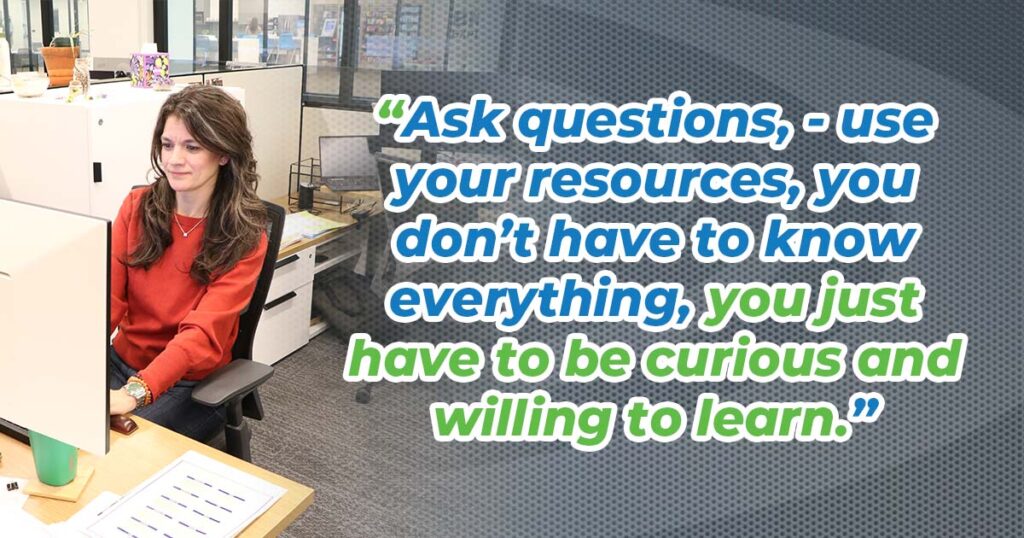
Esmeralda also encourages others to take ownership of their learning and development: “Ask questions, even if you think they’re dumb. Use your resources. You don’t have to know everything, you just have to be curious and willing to learn.”
She’s also a big believer in maintaining perspective. “The work will be here tomorrow. Take care of yourself and find that balance. That’s how we keep doing this for the long haul.”
As part of a growing EHS team, Esmeralda finds joy in supporting others and making sure everyone is aligned. “We’re a newer team, so it’s really important that we’re on the same page. I’ve worked with some of these folks for over 15 years. We get the job done, but we also joke, we laugh, and we have fun. That makes a big difference.”
She credits Crystal Clean with giving her the opportunity to explore many sides of EHS, from driver qualification and environmental permitting to transporter reporting and now technology implementation. “There’s no shortage of work here. If you’re interested, speak up and ask. You’ll learn it.”
Outside of work, Esmeralda’s creativity shines through her many interests. She enjoys gardening, photography, and spending time with her husband, their three-year-old British fox red Lab, Stella, and their two cats, Cat and Jet. Together, they also care for chickens and bees. Along the way, Esmeralda has picked up a few unique skills, including how to safely handle a butterfly knife.
Now an empty nester, Esmeralda takes pride in watching her son build his career as a licensed barber.
Looking to the future, Esmeralda hopes to see continued growth in Crystal Clean’s safety culture, investment in updated technology, and more recognition for safe driving. Most of all, she wants to see a companywide commitment to improving what’s already working and building trust between corporate and the field.
“We need the field to know we’re here for them. That’s how we grow, together.”
Esmeralda Esparza is part of what makes Crystal Clean’s safety culture stronger every day. Her focus on people, process, and purpose is helping pave the way for a safer, more connected future, and that’s a win for everyone.
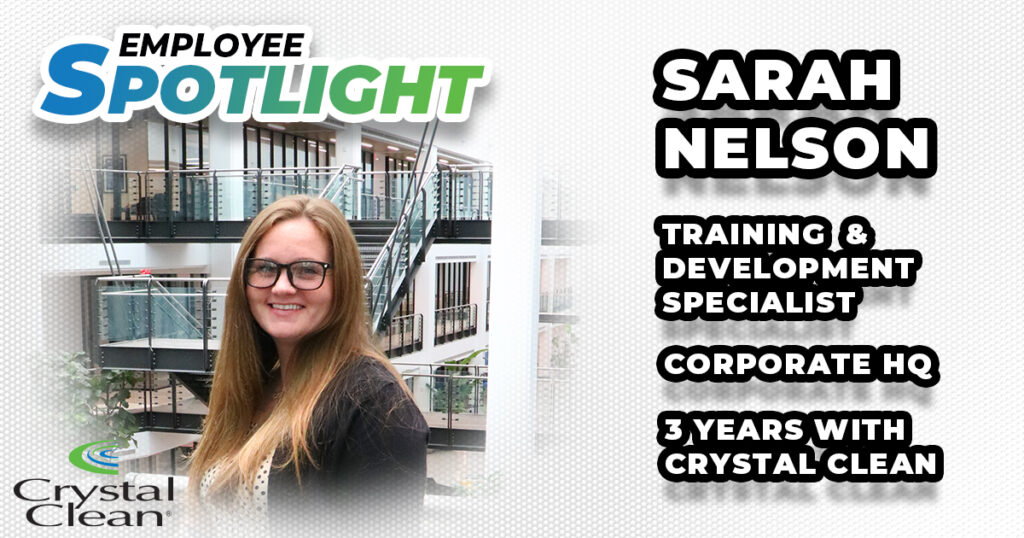
At Crystal Clean’s headquarters, you’ll find Sarah Nelson, our energetic and forward-thinking Training & Development Specialist. Known for her rocket ship emojis 🚀 and loud music playlists, Sarah brings passion and precision to every part of her day, starting at 4 a.m. sharp with two cups of coffee, a clean workspace, and a can-do attitude.
Sarah joined Crystal Clean three years ago, stepping into the environmental services industry for the first time after raising four children and building a career in private wealth management.
“It was a major change,” she said, “but the opportunity to create meaningful training and directly impact the safety and success of our people—it was exactly what I was looking for.”
Her typical day is anything but typical. Whether she’s troubleshooting Crystal Clean’s Learning Management System (CCU), answering field questions about learning systems, directing team members, developing content, working with vendors, or preparing CDL training, Sarah is at the center of ensuring the entire company keeps learning and moving forward.
“Sarah brings energy in everything she does and that’s truly inspiring,” said Ed Guglielmi, Divisional Vice President. “No matter the subject or task, she’s all in from start to finish and doesn’t let challenges or roadblocks stop her—she plows right through them. Sarah is always there for the branch employees to help solve not only training issues but is also happy to get involved with any problems they’re experiencing.”
For Sarah, training isn’t just about procedures, it’s about people.
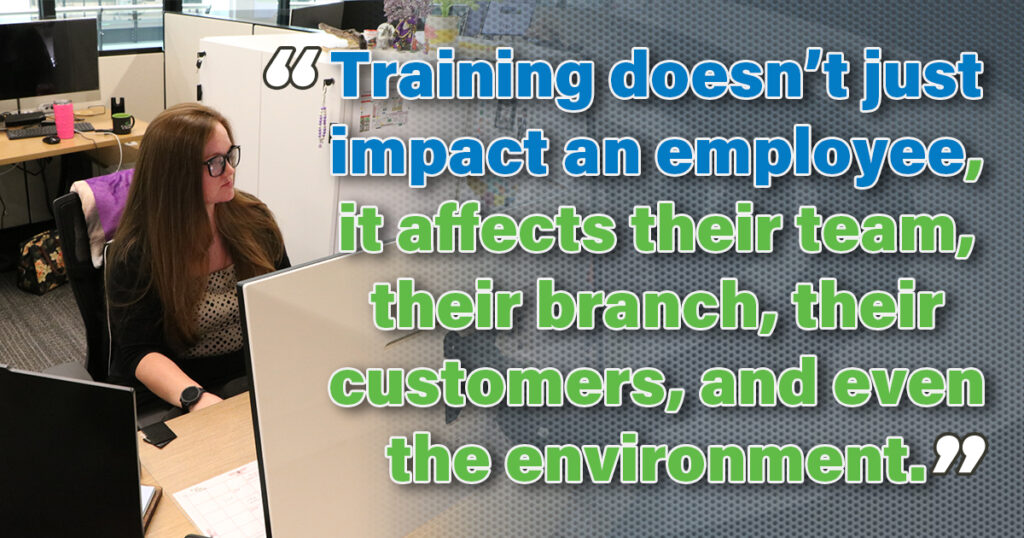
“Our job is to help individuals grow into their roles and overcome challenges,” she explained. “Training doesn’t just impact an employee, it affects their team, their branch, their customers, and even the environment.”
What excites her most? Watching that growth firsthand.
“Seeing someone light up because they finally feel confident in their job—that’s my favorite part of the day.”
Sarah believes that safety starts with communication. Not just physical safety, but the ability to speak up, ask questions, and feel secure in doing so. That belief drives the training environment she builds every day.
One of the most memorable moments in her role came during the branch manager workshops.
“That was more than just a training—it was a turning point,” Sarah shared. “I witnessed the true power of relationships at Crystal Clean in action. Across branches, across regions, we came together to connect, collaborate, and grow. With countless years of industry knowledge in one room, the lessons shared and bonds built were immeasurable. We didn’t just learn from the content—we learned from each other. That’s the Crystal Clean way.”
“Sarah has a take-charge and gets-it-done attitude,” said Todd Rohde, Divisional Vice President. “She’s also known for her unique vocabulary. We are very fortunate to have her on our team.”
Sarah lives out the values of relationships and excellence with intention.
“I work with people from every part of the company, and it’s important that they feel heard and supported,” she shared. “Excellence means giving your absolute best—what’s excellent for you today may change tomorrow, but effort and intent matter most.”
She brings these values to life through participating on the 2023 MVP Committee, where she helps host powerful events focused on company values.
“That meeting brought people together. It made them feel welcomed, seen, and part of something bigger.”
She also hasn’t forgotten the day she pumped several thousand gallons from drums in the field, earning the customer’s trust so well, they almost thought she was taking over the route.
“That gave me a whole new appreciation for what our sales and service representatives do every day,” she said.
Sarah is proud of the impact she’s already had at Crystal Clean—most notably, launching the Drive Crystal 5 program, which led to a 26% reduction in our CSA (Compliance, Safety, Accountability) score in just six months. It’s a milestone that proves her work doesn’t just train, it transforms.
Looking ahead, she’s excited to see the company continue to embrace training, where employees aren’t just certified—they’re confident.
“We need more applicants than seats,” she said. “I want to see us become truly one team, one heartbeat—field and corporate united.”
Outside of work, Sarah’s life is full of energy and heart. She shares a home with her boyfriend Denis and is a proud mom to four kids between the ages of 16 and 20. Once a competitive car audio enthusiast, she even won 3rd place in a MECA bass competition—before her winning system was stolen, bringing her brief but booming career to a close.
She studied to be a trauma nurse, loves cleaning as a favorite pastime, and has a special fondness for reindeer, “Richards” a.k.a. alligators, and her all-time favorite animal: the hippo.
“They’re cute,” she says with a grin.
Sarah Nelson is proof that leadership isn’t just about titles—it’s about vision, empathy, and the drive to make others better. With her strategic mind and people-first approach, Sarah continues to shape the future of Crystal Clean, one training at a time.
Managing hazardous waste today requires more than a decade-old checklist. It demands a system built upon safety, sustainability, and reliable partners to give you confidence you’re prepared for your next audit.
Industrial waste management has become more complex, not less. Regulations are evolving and expectations are higher from stakeholders to improve corporate sustainability.
The companies succeeding today treat hazardous waste management as a core part of their operations, and a vital part of what they do to protect their business, their customers, and the environment they live and work in. Companies with proven waste programs don’t scramble when it’s time for the next compliance audit. They rely on trusted systems and proven partners to ensure compliance from cradle-to-grave.
This guide outlines what proper hazardous waste disposal looks like based on real-world operations. Whether you manage a single location or a nationwide footprint, this approach can help reduce risks, improve safety, and support your environmental objectives.
Understanding Hazardous Waste
Hazardous waste isn’t mysterious. The EPA has clearly defined specific characteristics that determine if a waste is hazardous and how it must be handled. The EPA classifies waste as hazardous if it exhibits ignitability, corrosivity, reactivity, or toxicity.
In manufacturing facilities, hazardous waste shows up as spent solvents from parts cleaning, used oils from equipment maintenance, and chemical byproducts from production processes. Automotive operations generate used antifreeze, used oil, or spent solvents. Each industry creates distinct waste profiles, but the management principles remain consistent.
The EPA’s listed hazardous wastes catalogs hundreds of listed hazardous wastes. Some are hazardous because of the type of operation that creates them (F-list and K-list wastes), some are pure chemical formulations considered hazardous (P-list and U-list wastes) and others become hazardous when they exhibit certain properties (characteristic wastes). Understanding which category your waste falls into determines your regulatory obligations under RCRA. Most facilities generate multiple waste streams, and each stream requires separate handling protocols, distinct storage requirements, and specific disposal methods.
The complexity multiplies when you operate across state lines. While federal RCRA standards provide the baseline, stricter regulations may have been implemented at the state level, such as in California or Connecticut. A waste stream that’s non-hazardous federally might be regulated as hazardous in your state. Operations with multiple facilities can’t assume one approach works everywhere.
The Risks of Improper Hazardous Waste Disposal
Following proper disposal protocols isn’t just regulatory. It’s how you keep your workforce, your community, and your business safe. Improper handling of waste can lead to long-term environmental damage that may take decades to remediate.
The risk of pollution and harm to people and the environment is why CERCLA exists. Agencies regularly inspect facilities, review manifests, and assess disposal practices to reduce risk, protect workers, and keep the environment clean from pollution. Regulatory violations often result in formal notices, corrective actions, and potential legal or financial penalties.
The consequences can be significant, not just for a business, but also for workers, community members, and the local environment. Environmental responsibility is more vital than ever, and having a reliable partner on your side to help you navigate hazardous waste disposal with confidence.
Steps to Properly Dispose of Hazardous Waste
1. IDENTIFY AND CLASSIFY WASTE
Accurate waste characterization starts with understanding how each waste stream is generated. Use your knowledge of equipment, chemicals, and processes to determine if your waste is listed by the EPA or exhibits hazardous characteristics. This forms the basis for the initial classification, matching materials against the EPA’s listed wastes and testing characteristic waste streams regularly or whenever any process changes.
Documentation is key in this step. Inspectors expect to see what information supports your classifications. They want to see SDSs, references to specific EPA listings, and test results showing specific characterizations.
2. LABEL AND STORE SAFELY
Storage and labeling requirements exist to prevent safety incidents. For example, containers must be appropriate for the waste type. Certain solvents can degrade plastic and some acids may corrode metal. Using the proper container reduces spill risks and keeps the workplace safe.
Labeling is also a vital step to ensure incompatible wastes are not mixed by accident. Acids and bases can’t share space, and oxidizers need separation from organics. At a minimum, containers should clearly be labeled as hazardous waste with the contents in the container and the accumulation start date.
Accumulation time limits are also important to follow. Large quantity generators have a 90-day storage period, and small quantity generators have a 180-day storage period. Secondary containment options, such as spill pallets or berms, also reduce the risk of spills and it is important to plan for leaks before they happen.
3. CHOOSE A TRUSTED SERVICE PROVIDER
When looking for a service provider, it’s important to find a partner that is reliable, has the proper licenses and documentation processes, and is prepared to support you for compliant cradle-to-grave management of hazardous wastes.
Treatment and disposal methods matter, and a knowledgeable partner can help guide you through waste minimization opportunities and identify alternative disposal methods that improve your environmental operations or reduce your generator status. If you’re operating multiple facilities across different regions, having a partner with a nationwide network offers consistent, reliable service from a single source.
4. TRANSPORT AND DISPOSE RESPONSIBLY
Proper transportation and manifest documentation exist to create a reliable paper trail from waste generation to final disposal. Every party signs, every detail is recorded, and you have written proof of compliant disposal.
Manifests aren’t optional paperwork. They’re required documentation that verifies the process was followed compliantly. Whether using paper or electronic manifests, accuracy and retention are key. Auditors will verify waste codes, signatures, and facility permits.
Final disposal methods vary by waste stream. Incineration, landfilling, and other disposal methods all require facilities with appropriate permits and emissions controls. Modern facilities can neutralize acids, recover base oils from spent lubricants, and destroy PFAS compounds that persist through conventional treatment. When you select partners with sophisticated capabilities, you’re contributing to genuine environmental protection rather than simply avoiding violations.
The Role of Sustainable Waste Management
Industrial waste management is transitioning from disposal-focused to resource recovery approaches. This shift is driven by both environmental and economic benefits that support a circular economy, where waste is reduced, reused, or recycled whenever possible.
Resource recovery turns waste into value. Used oil, for example, can be re-refined into high-quality base oils while reducing greenhouse gas emissions by up to 77% compared to virgin production. Solvents can be distilled for reuse. Antifreeze can be reconstituted. Even some hazardous waste streams can be processed into alternative fuels.
Recovery reduces reliance on landfilling and incineration, which can become a concern due to capacity constraints. Stakeholders are taking notes and businesses that report on ESG performance and GHG emissions can see tangible impacts when implementing waste recovery programs.
Common Environmental Compliance Mistakes to Avoid
Even experienced operations may have gaps in environmental compliance, not due to intent, but rather from overlooked systems and assumptions.
Manifest errors easily top the list as a common violation. Missing signatures or unreturned forms can disrupt your chain of custody and raise flags during inspections. The solution can be simple, using a tracking system and training staff on proper manifest handling to reduce errors. A reliable partner that supports this process can also go a long way in making this process easier.
Mixing waste streams is another mistake that can happen. When non-hazardous waste is mixed with hazardous waste, the entire waste volume must be considered hazardous. Separating waste streams at the point of generation reduces errors and provides more accurate waste classification.
Storage violations are another error that happens when waste accumulation exceeds planned capacity. Storage areas become crowded and containers exceed time limits, especially during high-production periods. If you manage your waste storage process like inventory management, this issue can be easily addressed. Monitor volumes, schedule pickups based on actual generation, and maintain a buffer space for unplanned waste generation.
Unlicensed vendors can be another compliance risk, and a simple practice to have in place is to audit and verify that each vendor you work with has the necessary credentials for managing hazardous waste. Request EPA IDs, DOT licenses, and state permits from any waste service provider before commencing work.
Inadequate employee training may be one more area that leads to issues down the line, such as improper labeling or incorrect waste handling. Having regular training, as required by RCRA, helps employees stay current with all regulations and processes they need to follow. Regular refresher training keeps safety and compliance top of mind for both new and veteran employees.
How Crystal Clean Simplifies Hazardous Waste Removal
Managing hazardous waste comes with a higher expectation of compliance. That’s why having an experienced partner is essential to maintain compliance and minimize risk with a hazardous waste program. At Crystal Clean, we help reduce the burden of proper hazardous waste management by providing comprehensive, compliant, and consolidated service across all your environmental services.
Having a single partner for all waste streams means having a single point of contact, which simplifies scheduling, billing, and service coordination. A nationwide network like Crystal Clean’s means you’ll experience consistent service and compliance across all your facilities. Crystal Clean also monitors regulatory changes at the state and federal levels, keeping your operations ahead of evolving requirements.
Because we operate our own permitted treatment, recovery, and recycling facilities, we provide more options than transportation-only vendors. This means greater flexibility, lower risk, and more sustainable outcomes. Since Crystal Clean has the capabilities to manage waste from pickup to disposal, our team can help centralize waste stream data to make audits and sustainability reporting faster, easier, and more accurate.
And finally, part of hazardous waste management involves having a plan in place for emergency responses in the event of spills. When the unexpected happens, our 24/7 spill response teams are ready. With trained personnel and the right equipment, we provide peace of mind and fast containment when you need it most.
Protect Your Business and the Environment
Proper hazardous waste disposal isn’t just part of a compliance checklist. It’s part of your core operations and a strategic function that reduces risk and protects both the environment and your business. When you handle waste responsibly, you’re simultaneously reducing environmental impact and eliminating the regulatory and financial risks associated with cutting corners.
Your waste management program deserves the same strategic attention you give to other operational functions. The right approach, implemented consistently across your organization, becomes a strategic asset rather than a compliance obligation.
Partner with Crystal Clean today for safe, compliant, and sustainable waste management solutions tailored to your business needs. Contact our team to discuss how we can support your facility’s environmental management objectives.
As part of Crystal Clean’s Environmental, Social and Governance (ESG) initiative, we are excited to share the release of our first company Sustainability Report. The report tells the story of how Crystal Clean is committed to sustainable waste recovery operations to recycle, reduce, and reuse.
“To us, sustainability is more than a simple check-the-box initiative,” shared Crystal Clean President & CEO Brian Recatto. “It is a journey and an area that requires constant re-evaluation to identify areas where we succeed and can continue to improve.”
This report focuses Crystal Clean’s ESG initiatives around “5 Ps”, which are Planet, People, Partnerships, Prosperity, and Peace. The 5 Ps were created from the United Nations list of 17 Sustainable Development Goals (SDGs) intended to bring together and grow a safer, stable, healthier, and more prosperous world. Using the 5 Ps will help Crystal Clean measure its progress and work to balance and support our goals.
The sustainability report shares Crystal Clean’s commitment to these practices while helping to create a safe, sustainable environment for customers and the communities we work in. We strive for continuous improvement as we evolve our environmental footprint and help the business world run cleaner.
“Sustainability is part of who we are as a company,” said Anita Decina, Crystal Clean’s Vice President of Operational, Safety, & Environmental Excellence. “Crystal Clean remains committed to sustainability in all areas of the company and helping others do the same.”
2000 Center Drive Suite East C300
Hoffman Estates, IL 60192
Toll Free 1-877-938-7948 Fax 1-847-836-5677
New Online Payment Portal
Crystal Clean has moved to a new online payment portal called Versapay. The new platform gives you benefits such as:
One-click access to invoices and supporting documents
Email notifications to alert you when a new invoice is available
Online communication with us if you have any invoice questions
24/7 access to your account anytime, anywhere
Please click the button below to access the portal and set up your account. You will need to create a new account even if you have used our previous online payment system.