January 22, 2026
Managing non-hazardous liquid waste creates operational challenges that many facilities don’t realize they can solve until they explore solidification services. Here’s a simple way to understand the difference between solid and liquid waste: solid waste goes in a garbage bag, while liquid waste requires containment.
That distinction sounds basic, but it shapes everything about how waste gets handled on the ground. Solid waste sits where you put it, while liquid waste needs secondary containment, specialized containers, spill protocols, and contingency planning for when containment fails. Two completely different operational realities.
Solidification bridges them. The process converts liquid and semi-solid waste into solid form through binding agents. What comes out is stable, transportable, and qualifies for disposal options that liquid waste can’t touch. Waste that requires containment now goes in a bag. For operations struggling with liquid waste logistics, compliance headaches, or rising disposal costs, that transformation changes the math on waste management entirely.
Here are five signs it might be time to consider that shift.
1. Large Volumes of Liquid Waste Are Piling Up
Common non-hazardous liquid waste streams include wastewater, sludge, coolant that’s past its useful life, oily water from separators, floor scrubber wastewater, and sump and pit accumulation.
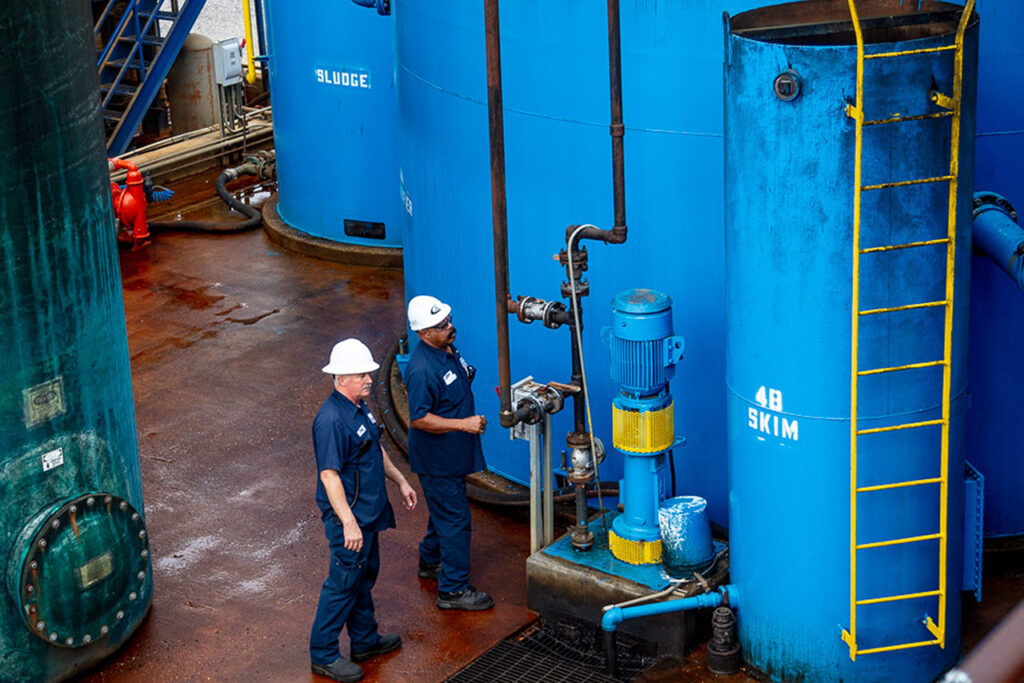
When these streams show up in volume, the logistics get complicated. Every drum needs containment, large storage tanks may be required, every transfer is a potential spill, storage areas fill up quickly, and transportation requires specialized handling. Manufacturing facilities, automotive operations, and food processing plants know this reality well. The waste streams are consistent, the volumes are substantial, and after a while, the traditional approach starts feeling like a second job nobody signed up for.
Solidification converts that material into something that handles like regular solid waste. The drums stop multiplying, the containment requirements go away, and disposal becomes straightforward. Crystal Clean operates non-hazardous waste solidification processing facilities with the capacity to handle substantial industrial volumes, matching binding agents to specific waste stream characteristics. The output meets disposal facility requirements, which means material moves out instead of accumulating.
2. Disposal Costs Keep Climbing
When disposal costs keep rising, the instinct is to shop for cheaper haulers or push harder on contract negotiations. Sometimes that works.
The underlying issue is found in the differences between the disposal process and risk liabilities. Liquid waste can leach into soil or groundwater, and that liability extends well beyond the pickup date.
Solidification changes the economics in two ways. First, the process reduces both volume and weight. Water content gets bound or removed, leaving denser material that takes up less space. Second, solid waste opens different disposal doors. Waste-to-energy programs accept it, and landfills that reject liquid material will take it in solid form. This provides more disposal options and allows for greater flexibility to meet your goals.
Crystal Clean’s solidification process follows five steps: collection, coagulation, precipitation, testing, and disposal. The approach is built for volume reduction efficiency. Less weight and less volume mean more efficient transportation and broader disposal options.
3. Regulatory Compliance Is Getting Complicated
The regulatory framework for liquid waste is detailed because it poses genuine environmental risks. Storage duration limits restrict how long material can sit before it must be moved; DOT transportation requirements govern containers, labeling, and handling procedures for every mile of transit; and landfill acceptance criteria determine which facilities will take it and in what form. Facilities that have been through an inspection understand how much documentation this generates and how much can go wrong.
Solid waste fits into a simpler framework. The manifest trail shrinks, transportation rules are less specialized, and landfills accepting solidified material have clearer intake procedures.
Crystal Clean conducts solidification in accordance with compliant procedures designed to meet regulatory standards at every stage. Documentation and manifest support come with the service. Your regulatory obligations remain yours, but the paperwork burden shifts and the compliance pathway gets more straightforward.
4. Facility Storage Space is Running Short
Liquid waste consumes more floor space than the drums themselves. Secondary containment takes square footage, spill response clearance takes additional space for safety protocols, and positioning decisions must account for worst-case scenarios.
Then there’s the safety dimension. Liquid waste accumulation creates slip hazards around storage areas. Drum failures or leaks expose workers to materials they shouldn’t come into contact with. Fumes can accumulate in enclosed spaces. The longer liquid waste sits, the more these risks compound. Facility managers who track inventory, manage traffic flow, and plan emergency response all have to work around the liquid waste footprint.
Crystal Clean offers reliable, flexible pickup scheduling for liquid wastes, so waste moves out on a timeline that works for operations rather than racing against storage capacity or containment limits. This helps your facility become cleaner, more organized, and safer to navigate.
5. Sustainability Goals Need Tangible Progress
Customers ask about environmental practices now, and stakeholders measure them. Most operations leaders want to improve when improvement is actually possible.
Solidification moves waste into recovery pathways that liquid waste can’t access. Stable, solid material qualifies for waste-to-energy programs that convert it into usable power rather than burying it. It meets acceptance criteria for properly engineered landfills where containment systems prevent groundwater contamination. The material stays where it’s placed instead of migrating through soil.
Crystal Clean routes over 64 million pounds of waste annually into energy recovery programs. Solidification integrates with other non-hazardous waste disposal pathways too, including recycling and fuel blending for materials that can be reclaimed. Waste that used to be pure cost and liability becomes part of a circular system.
That matters for sustainability reporting. It also matters for the people who have to explain what their facility actually does with its waste. Concrete numbers and documented recovery pathways are easier to stand behind than vague assurances.
Finding the Right Partner
Solidification requires more than equipment. Binding agents have to match waste stream chemistry, the output has to meet actual disposal and landfill requirements, and logistics have to fit operations without creating new coordination problems. Getting any of this wrong means material that doesn’t solidify properly, gets rejected at disposal facilities, or costs more to handle than the liquid form did.
An experienced solidification partner has seen the variations. They know which binding agents work for which waste types, they have the processing capacity to handle volume without bottlenecks, and they maintain the regulatory knowledge to keep documentation clean and disposal pathways open.
Crystal Clean brings solidification capacity, compliance expertise, and the operational flexibility that comes from handling waste streams across thousands of facilities. We build solutions around what you’re actually generating.
Contact Crystal Clean for a free waste assessment. Our team will evaluate your waste streams and recommend the right solidification approach for your operation.